Randem WORD: How to Build a Music Career
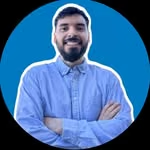
About Randem WORD
Randem WORD is a producer and engineer based in Atlanta who has worked in the studio with artists like Erica Banks and Lil Tony. He runs his own label, Kinetic Progression, and helps lead Beats and Books, a nonprofit that teaches inner-city youth how to become music moguls.
In this episode of Producer Talk, Esteban sits down with Randem WORD to talk about his creative process, networking his way into Atlanta, and the business side of production.
A Name Like No Other
Word is his real name. Randem comes from his approach to music: spontaneous and unorthodox. "I could randomly approach it where it's more so I could be spontaneous... Any given time if I wanna feel like making it, I can make it." This philosophy shapes not only his music but his entire career in an industry where you have to be available at any given time.
From Sports to Sound
Growing up in Florida, Randem initially pursued sports before realizing his passion lay in music. In 2012, his roommate, a professional drummer, and his brother, a professional keyboardist, asked him what he really wanted to do in life. "I just wanna do music. Like, I wouldn't mind doing music for the rest of my life," he said. That year he found a music technology program at his college in Daytona Beach, which combined classical training with computer production, and he graduated in 2016.
Planting Seeds Early
Randem's strategy to break into the industry was intentional. During college, he set aside his refund money to make trips to Atlanta for beat battles and studio camps. "I wanted to plant my seeds before I came up here," he noted. His first move in 2016 only lasted three months, a trial period to feel the city out. He went home, got his music ready, and came back in 2017 for good.
The Atlanta Experience
Randem started with an internship at 12 Studios, where he crossed paths with Fuse from 808 Mafia, Rick Ross, Tracy T and a then-unknown Pi'erre Bourne, who was engineering for Epic Records. He worked with nearly everyone who came through the studio. "It's just like a building phase, bro. It's just a building phase."
Inspirations and Innovations
Randem's inspirations include Lex Luger, Zaytoven, Timbaland and Kanye West. He described the moment he was captivated by Zaytoven's work on Gucci Mane's "Thirty Bricks": "I heard how like the eight eights on there was sounding and like I just like really fell in love with it."
The Hardest and Best Times
In early 2018, Randem was sleeping in his car while working the studio and a job at Publix. By the end of 2019, he was hired by an independent Atlanta label, which led him to Zaytoven, Tracy T and plenty of artists around the label who needed an engineer.
The Business Side of Production
Engineering Pays the Bills
Engineering and mixing bring in most of his revenue. He compares it to a nine-to-five trade: a beat can earn $2,000 in one sale, while engineering earns the same over a week or two of steady work.
Pricing Beats
Randem charges major labels about $2,400 per beat. He sets that number by looking at industry partners who charge around $10,000 and staying honest about his own level: no Billboard hits yet. "Being real with yourself in business, but like being delusional in like your goals."
A Publishing Lesson
He learned to read contracts in college and writes his own agreements. His one bad deal was giving a label 50% of his publishing, cutting his ownership of those records in half when he could have kept it all.
Building a Brand Bigger Than Yourself
Rather than building his name alone, Randem wants his label to be bigger than him, like 808 Mafia or The Neptunes. Kinetic Progression is a creative collective of producers, engineers, artists and designers, putting out collaborative records with artists like Pioneer and Samaj. Through Beats and Books, he gives back by mentoring students and teaching music production, studio etiquette and music business in schools in Atlanta and LA.
Key Takeaways
- Embrace the Randomness: Not tying your music to one mood lets you create across vibes and genres.
- Network Strategically: Randem funded trips to Atlanta with his college refund money to plant seeds before moving.
- Prepare for Opportunity: Building connections in college meant he could hit the ground running.
- Use Trial and Error: His three-month trial run in 2016 prepared him for a stronger return in 2017.
- Know Your Why: Before committing to music, think about why you'd be willing to struggle for it.
Conclusion
Randem WORD's journey is a testament to the importance of spontaneity and strategic planning in achieving success in the music industry. His story encourages aspiring producers to embrace their unique paths and seize opportunities as they arise.
For a deeper dive into Randem's insights and the full conversation, check out the episode of Producer Talk.
Frequently Asked Questions
What should an 18-year-old producer do first?
Think about your why. Music has bad times as well as good ones, so know why you'd be willing to struggle for it. Then choose between school for structured training or internships for hands-on experience.
How did Randem WORD network in Atlanta?
While still in college, he saved his refund money for trips to Atlanta beat battles and studio camps, then landed an internship at 12 Studios after moving.
How much should a producer charge for a beat?
Randem charges major labels about $2,400. He benchmarks against industry partners who charge around $10,000 and adjusts for his own credits.
Why shouldn't producers give away their publishing?
A producer automatically gets half of the songwriter and publishing shares of a track they create. Giving a label 50% of his publishing cut Randem's ownership of those records in half.
Esteban Candelario (00:01.101) All right guys, welcome back to Producer Talk. My name is Estebon, your host. And if you're new here, this is the podcast where we sit down with producers, engineers, you know, people in the industry to break down what's actually working in today's music business. So producer talk is presented by producer Fury, the number one CRM for producers. Today I'm joined by Random Word. We're gonna talk about how he's been in the studio as an engineer and produce for artists like Erica Banks, Lil Tony, PMB Peasy, and a bunch of other artists. Talk about his nonprofit and how that works, how he teaches people to make music and to engineer.
And we're just gonna take it from there, bro. So what's up?
Randem WORD (00:32.066) What's happening, man? How you feeling? How you feeling?
Esteban Candelario (00:34.369) I'm feeling good, man. It's been a l it's been a long day, I'm not gonna lie. I was actually curious because your name your name is different. It's spelled differently for sure. Like how how did you end up with your your name?
Randem WORD (00:43.982) well actually where is my actual you know, government and then random that came from just like my approach to music. Is you know, I could randomly approach it where it's more so I could be spontaneous vibe, you know, I could be on the sad vibe, I could be on the happy vibe. It just really ain't no I don't have to be in a certain mood to make a certain type of music, you know. Any given time if I wanna feel like making it, I can make it. So, you know, and plus just being in this industry, you gotta randomly be a
available at any given time, you know. It just really goes along with the whole spontaneous and, you know, unorthodox way of living.
Esteban Candelario (01:34.845) Shit.
Esteban Candelario (01:56.959) Yep.
Randem WORD (02:00.091) Internet.
Esteban Candelario (02:00.136) Now you can What was it? Just say the last thing you said. It's gonna record everything anyway, so you good. I could just cut it. What was the last thing you said? Did you just go from there?
Randem WORD (02:05.156) Okay.
Yeah, I was saying like my name, it just goes back, ties back into like the way I'm I'm living in with the music industry. a lot of the times is random, the type of music you're making is random. you know, the vibe that you might be on at the time is random, you know, and sometimes it might contrast, sometimes they might coincide. But like the whole thing is just like really goes back to the unorthodox unorthodox unorthodox way of doing stuff, you know, and creating music.
Esteban Candelario (02:37.323) Yeah, bro, you it's funny, I feel like I feel like producers don't put too much thought into like the producer name. Like I I feel like artists do, but I feel like producers never do. So I find it interesting. And did you ever ask your mom or dad why they why they name you word? I'm just so curious. That's different.
Randem WORD (02:51.675) I don't know, like that just like it's just like just that that just that's just that just that's just what what we is, like, you know. I just
Esteban Candelario (02:52.883) No I wanna ask. I feel that.
Esteban Candelario (03:00.799) Nah, I feel that that's different. I think you're the first word I've met. But cool, bro. So I guess like talk about like how you got into the industry. Like did you start producing first? You start engineering first? Or like, you know, what was it like for you?
Randem WORD (03:10.469) Yeah, I started I started out of course like, you know, like coming up with my homies and we was making music, as far as like, you know, beating on the table and all that stuff. And then I actually got into actually making it in twenty eleven and I started producing first. Started producing, you know, just staying at it. And then twenty twelve was when I got into school up at this college in Daytona Beach, Florida, called Mike Kirk College of Entertainment Arts and Music. And from there on, like from twenty twelve on, I started
engineering, you know, studying engineering and then 'cause like you got you gotta study it anyway to even pa pass the course. So yeah, then I graduated twenty si twenty sixteen and everything from there on was like, you know, I'm in the big boy leagues then. So I came to Atlanta and I hit the ground running. Just like I hit the ground running.
Esteban Candelario (03:46.165) Facts.
Esteban Candelario (03:58.314) Nice. So So when you came to Atlanta, like did you have a plan or did it just like everything coincide? Like what was I mean, walk me through like the strategy, like how it worked out for you?
Randem WORD (04:03.087) Yeah, yeah, yeah.
Yeah, so in my last year in twenty fifteen of college, like my whole goal was like by the time I graduate, it's time to like transition. I didn't wanna like graduate and then basically trying to figure stuff out. I want by the time I get out, I already have something going on. So,
What I was doing back in college is like as I would get like my refund money, I would basically use that money and like put it to the side for like three the the the semester or whatever and specifically use it to make like little trips up here to to the A. So I might make a trip and go to a beat battle. I might make a trip and go to like a studio camp, you know, whatever it might be. Just really plant my seeds. I wanted to plant my seeds before I came up here. And so by the time when I did really actually move up here in twenty.
2016, it it was like short-lived. I was only up here for like three three months. But like I just really had to I really had to go through that time. That it was like a trial period, because I had to really kind of feel Atlanta out, just figure out what I was getting into. Then I came back in 2017, I left
After those three months in 2016, came back, you know, just get recollect, you know, get all my music up, you know, become more prepared. And then 2017, I came back the same exact time. Same exact time. And that's when I really like took off as far as like, you know, being consistent, working in working in Atlanta. And the first studio I stopped at was 12 Studios. It was ran by a music azec.
Randem WORD (05:44.431) Her name was Dean Dina Marto. And she was known for like working with Island Def Jam and LA Reed and all that type of stuff.
Esteban Candelario (05:53.578) That's crazy. And I feel like I f I mean right now, because I I I talked to a lot of producers and I feel like all the producers are stuck in their bedroom. Like so you actually one of the first producers to tell me that you were making trips in between while you was in school, basically networking to like plant your seeds to get to where you're at. But like, yeah, go ahead. I agree. Yeah.
Randem WORD (06:06.905) Yeah. Yeah, it it's just like a building a building phase, bro. It's just a building phase. Like you know, I was using that I was using my refund money to fund basically, you know, the career.
Esteban Candelario (06:17.885) Mm-hmm. Mm-hmm. And I mean, is that something you learned at a young age? Or is that just like your natural instinct to like just meet people and plant your seeds early, especially at a like destination that you want to be at?
Randem WORD (06:31.011) well, at first to be be real with you, my first thing was a sports. You know, in Florida we we big on sports, you know, whether it's you know, flip like we we always be flipping, we real athletic out there. So for the most part it was like really sports. But that kinda came like naturally, just like wanting to build a community with like the people I'm around and my homeboys and stuff. But when I kinda like actually figured out something that I really wanted to do, it was it got it it really bought down to
Cause I had ended up quit st I stopped playing football and like I had graduated. So like I wasn't going to college for it because I didn't really want do that. And the only thing left I was really interested in in life was fashion and music. The only reason I didn't go the fashion route and just like become like a designer or something, which I would have probably did if I wasn't doing music, is because like
Just like my family being traditional, we basically we wanted to find like a college, you know, and where I could like, you know, specialize in that field. But
Esteban Candelario (07:30.246) Mm-hmm.
Randem WORD (07:35.567) We couldn't find no college. There weren't no like no necessarily no designer colleges and no fashion colleges or nothing like that. So and plus my mom a teacher, so that's why she like was really pushing that. You know, like, hey, you gotta go to college, try this out. So yeah, I graduated and like my first year I was really like undecided. I didn't really know what. You know, I was just kinda going, you know, just to knock out my my my gym, my gym net. And then
2012, I actually was hit chopping it up with my partner. He's a professional drummer. His name is Clayton Carralers. Clayton Carallers. He actually real good drummer. He's up in like the Philly area. But we was roommates at the time, and he just kind of like it got to a point where my my my brother, he's also a professional keyboardist, Derek Scott. And it got to a point where it was like
They just asked me like, yo, what you what you really want to do? Like, you know, do you what do you see yourself, is there anything else that you like wanna do in life? Like, and it was just a simple answer to me. I was like, I j I just wanna do music. Like, I wouldn't mind doing music for the rest of my life and just getting paid off that and, you know, doing that.
So it just so happened that the college I was going to, I found out about the program. It wasn't like I went to the college and knew about the program to go there. I found out about it like within my year over there. So when I found out about it, I was like, dang, this is what I'm exactly into because the program is called the music technology program that I graduated from. It actually combined
you learning how to make music like from a traditional standpoint as well as using the computers. So i it combined like the two worlds, like the technology world and the music world, like as far as like classical music. If anybody like then took music as a major, they know that like more than likely you like you going over classical music and you know, like, you know, train, you know, classically trained. But this combined like both of the worlds for me. And I was already producing. So I was like, this is the perfect thing.
Randem WORD (09:43.069) And shoot, after that, twenty twelve, twenty sixteen, I just took I just took it all the way serious from there on.
Esteban Candelario (09:53.644) Shit, bro. You know, like I mean I always believe things align on like things align even when you don't know when the time is about to arrive. And like you being there at that place and with your I mean, with your peers be asking you that question, it's better to know what you want to do a lot earlier in life than finding out way too late. So I feel like just having that right amount of pressure and then being at the right place at the right time is exactly what like most people don't realize. A lot of times what you're gonna do is gonna find you before you try to find it. I feel like if you spend too much
time trying to find it, it just becomes a whole like becomes a whole like tail that you're chasing like a dog chasing itself. But what what even I mean, twenty sixteen was a dope era, bro. Like twenty sixteen there was a lot going on. So you probably came in at the right time too. Is that why is that why you went to Atlanta?
Randem WORD (10:33.861) Yeah, yeah, yeah. Yeah, like that. Nah, I actually just already hip to the Atlanta sound and like the Atlanta culture. Like back from back in high school before I even started producing. But I was I wasn't like I I liked music, but I didn't know how to create it. So I ended up running to a couple homies. They showed me how to make beats and stuff. And what was a big really big inspiration starting out was
Let's Luger. Let's Luger, he is known for like, you know, producing for South Side, you know, 808 Mafia, Waka Flocka. But his story really intrigued me because he was like around my age and this man like had like, you know, big hits using the same program I'm using. So I was like, yeah, it's a go. It's a go, it's a go. But like some of my OGs
That I I actually like was inspired by just off music without even like knowing how to make music, just like off the ear was like Zay, Zaytovin, Timbalin. Zaytovin, Timblin, who else, who else, who else, who else? Zaytovin, Timberlin, and Kanye West. But like like Kanye was like more tr way more traditional. It's like, you know, the boom bat boom boom boom. The Bat Pet route.
Esteban Candelario (11:59.82) Mm-hmm.
Randem WORD (12:00.343) But when Zay Tovin came with the eight eight, I heard like the first song I think I heard was I think he had a song with like thirty it's called Thirty Bricks. Thirty Bricks by Gucci Mane. And like I heard how like the eight like the eight eights on there was sounding and like I just like really fell in love with it. So yeah, you know, I just took hit the ground running. And, you know, here we are now. You know, produce
Esteban Candelario (12:27.059) I hear that. That's a that's a funny That's a funny inspo list. Yeah. That's a that's a funny inspo list. Timberlin, bro, I'd be like even even when like the radio plays like old old songs with Timberland produce song, I'm like, bro, like he was just on a on a whole nother level. Like even to this day I feel like his drums if you if you if you don't know how to rap, I don't think you can be on a Timberland beat. but so
Randem WORD (12:29.516) Engineer. Well, I end up engineering a little later, but yeah.
Esteban Candelario (12:51.711) I mean, w how did how did you find yourself in the studio with bigger artists or underground artists? Did that come early too? Or was it just like something like how did how did that work?
Randem WORD (13:00.622) That that really didn't start until like I moved to Atlanta, like when I finally made like a s a solidified move. Well, actually I'm tripping. When I made my first move to Atlanta in twenty sixteen that I told you about, like my trial run. So I was staying in like Gwynette. So if anybody knows anything about Atlanta, Gwinnett area, like that county area is probably about
40, 30 to 40 minutes away from, so I wasn't even really in the city, but I had an internship at 12 Studios. So with me working up there at 12 Studios, I ran into Fuse from 808 Mafia. I ran into Chris Rasco. She right now is been managing and working with Sway Lee and Ray Shrimmer.
who else I ran into up there? Tracy T was up there. Rick Ross was up there a lot. Polo the Dyne was a great legendary producer, all these people. And then Pierre, Pierre, Pierre Bourne. But the crazy thing was Pierre Bourne wasn't Pierre Bourne wasn't even like known as like no big producer or no
Like he he like he he was just like cooking up, you know, staying consistent with his music and he was working for Epic, Epic Records. And that's basically I looked at that and I was like, dang. I I just asked him like, yo, how you get to this point? 'Cause like my whole goal at that time was like to get a job in the industry. He already had a job in the industry. He already had like made his rounds. So yeah, I met him up there and like
Esteban Candelario (14:18.305) That's crazy.
Randem WORD (14:42.296) He was just like round there, just, you know, kicking it because he was always the engineer for Epic. Epic had an office up there. And, you know, we just chop it up, you know, every now and then. But when by the time Magnolia dropped, I was like seeing, I was hearing about that name. And then I look I l ended up looking him up. And I was like, shoot. This was bruh that was at the studio the whole time. So yeah,
Esteban Candelario (14:59.307) Mm.
Randem WORD (15:08.974) Then was that was around like my first time like running into like like real deal like superstars up there. That's around the time when
give you some context. that's around time when Cody Shane had blew up, Trippy Red, Playboy Cardi, who else was up there? That that that did the like these people I'm naming, they wasn't they wasn't as big yet. The other people the people I named before like the Polo, Tracy T, John Drows and Rick Ross, they was already solidified. You know, we already know them.
But like the people who was coming up, like that we probably probably didn't know back then was like Pierre, Trippy Red, Cody Shane, who have started in there? Black Youngster, Moneybag Yo, all these people, like, they weren't even like no really big, big time names. Like the Loopholes,
All these all them people that I just recently named, they was just like just coming up and they just ended up having them become like blowing up and becoming like huge superstars. Also, another person the Ink, she was a songwriter and now sh and Pop Lord, I work with him. But like Pop Lord and Ink and other them they they like super writers. Super, super like when I say super writers, they done probably been Grammy nominated like the last couple of years.
Esteban Candelario (16:33.067) Crazy. When when you were around any of those artists, did you like think to yourself, like, he he or she gonna blow for sure? Like, was there one particular artist you're like, I just know for a fact like it's gonna happen.
Randem WORD (16:43.238) n
Not necessarily. I wasn't thinking about like blowing up. I just thought of as like as long as I I put it put in the work. I was more so like kinda focused on me. It's like long as I put in the work and pay my dues one one you know, one step at a time, eventually I b you know, get in position and you and work my way up to a a top level position. And working through out there, I ended up working with basically everybody that came through the studio from Ray Daniels.
I worked with him and his label. I worked with Polo and his label with Pop Lord and I also worked with Pierre, you know, so you know it's plenty of people that came through there, like, especially like just in in the local area. Plenty of people that came through there.
Esteban Candelario (17:32.523) What's one thing you would tell a producer, like right now, let's say they're eighteen years old, just turned eighteen, just graduated high school, and they wanna be exactly where you're at in terms of like, you know, the point of the point of where you're at in your career. What's the first thing they should do? Starting from zero.
Randem WORD (17:46.65) the first thing and you talking about like they just graduated high school?
Esteban Candelario (17:53.333) Yeah, just graduated high school, turned eighteen.
Randem WORD (17:55.514) I would say
First n like think about why you doing this. Like, is this something that you would really like wanna do? Like, 'cause a lot of people in this industry they they work very hard and they very talented. So that's only one aspect of this whole industry. So you gotta be willing. If you if you wanna think about doing this, first think about why, like what is your it what is your why? Why are you doing this? Like because you're gonna have bad times doing this stuff and you're gonna have, you know, your heights and the
Good times doing this. So I would say really think about like before you commit to this, just think about your why. You know, think about like, you know, of course, like you might have like the enjoyment of it, but think about why in the world I'm doing this and why in the world would I be willing to struggle for this. You know, because it ain't gonna be always peach and cream at all.
And, you know, you gonna have to go through your eighty percent of, you know, unfortunate people to get to them that twenty percent unfortunates. But
Esteban Candelario (18:59.085) Facts. I mean, what was the hardest time for you? Like what was the most difficult time for you as a producer or engineer?
Randem WORD (19:04.042) The hardest time for me was probably like early 2018. I was sleeping in my car and like working. I was sleeping in my car trying to find aims, trying to find a place to stay. But also I was I was steadily working though, because I was basically sleeping in my car. I had easy access to the studio and all that. But
I was just at so high demand that like I'm like going back and forth to my whip, sleepy and stuff, and then trying to work a job at just like a simpler job, like at just to hold me by like at Publix. But I think like later on, I would say I would say probably like like around the end of twenty twenty nineteen, I ended up getting a promotion and I ended up getting hired by
record label out here called Last Super Music Group and we started working with this other record label called Cash Out Cash Out Cash Out Game Records. And yeah, they kinda like like you know, gave me a little break. For sure, for sure.
Esteban Candelario (20:11.745) That's wild. I mean the sleeping in the car life is different, bro. I've I've been there too. I I mean if you haven't been there then you really haven't you really you really haven't put yourself on the line to figure out what you wanna do and how you're gonna get there to be honest. But so then what what's the best time you had? What's like the the the best height that you had so far in your career?
Randem WORD (20:18.158) Yeah, like
Randem WORD (20:24.194) Yeah, John.
Randem WORD (20:29.178) some of the best times I had in my career was probably hmm height was one height was I would say when I was working with the second independent label, Last Upper Music Group, through them I met like a lot of
more more street street legends like when I met like Zaytoven, I met Tracy T, I ran into Corey Mo.
And I was doing all my rounds with that because like, a lot of them boys they were friends, you know, from just like childhood friends from back in the day. So like they knew each other on a whole personal level, not even just on the music. And basically with me working with that label and their main artist being Block Le A and Blazer,
When I was working with them, they of course they have like a whole bunch of partners and stuff that that be rapping and all this stuff too that they didn't meet, you know, they might not take it as serious, but they got a whole bunch of partners that that's rapping, you know, singing and stuff. And, you know, of course they got the label behind them, so they they we just linking up and they just be like, Yo, you know, random, I need you from Whatch Collet while I'm not working for the actual main artist.
So that was good times. I d I done met a lot of people, ran through a lot of people with them. So I would say like around that that that this is like around this started around twenty nineteen and I would say like it kinda ended, died down like around twenty twenty two, twenty twenty twenty two ish. Around that time that's when I started getting more into like a Z a Zec mode, you know, as far as like for my for my own label and freaking out, you know, the ins and outs.
Randem WORD (22:17.112) You know, just just being able to get different streams of income on the business side. Not just like being awake musical.
Esteban Candelario (22:22.241) Yeah.
Yeah. Well then talk talk about that then. Like you mentioned your own label. So like how did how did that get started and like what are what are the what is the business side look like for you and like what term what types of income can a producer make?
Randem WORD (22:28.418) Okay.
Randem WORD (22:41.614) There's there's there's really as a producer the simple it out 'cause like it's like really about twenty different registrations you could do per song to get to get paid. But there's a there's ink there's front end pay and then there's back end pay. So front end pay would might be if you done made, you know, a beat or something and you basically just set sell the idea, sell the exclusive rights to to that idea and then
they have like exclusivity to use it however they want to, but they give you a upfront pay. And then another way is on on the back end, which would be like contractual agreements. That would be more so like if you probably like working with a another label or another artist and they signed they signed a deal.
with you and y'all worked out some some contractual agreement that y'all both gotta honor and y'all might get paid on the back end whether it's through escrow and some lawyers or based on like streams that y'all like how well the song has did or the sales of the song, you know, just whatever the gener the given the revenue that's been generated. So
Esteban Candelario (23:53.525) So you said a word that I know a lot of people are not gonna know what it means, but explain what a escrow is to people.
Randem WORD (23:58.724) So escrow is like if you go through a lawyer, like if you when you when you're dealing with a lawyer and like you have like whether it's a lawsuit or something like that, anything that has to deal with like having having a a lawyer has to go through. if you was to sell a beat for like a crazy amount of money, it would first go through through the lawyer before like it gets dispersed to you.
Esteban Candelario (24:22.453) So how does that work for you? Do you like have your personal lawyer or like you ha or d does it is it given to you through the labels?
Randem WORD (24:26.439) no no I don't got my personal lawyer. I I mean I went to school, so I I'm pretty much straight set so far.
Randem WORD (24:37.508) Shoot. I I went to school, so I'm pretty Huh, nah, yeah, yeah, we good. Yeah, I went to school so I'm pretty much straight set so far. as far as like when it comes to like that legal that legal talk. I mean I ain't I ain't like the best, I ain't like no lawyer, but like I can I can read a contract and like know know what it's saying. And plus like I I make up my own contractual agreements whenever I need to like do like songs or something like that.
Esteban Candelario (24:40.417) They record the better record record right now?
Randem WORD (25:06.458) but I and I learned that through school. So it it's crazy, like going back to your question with the what an 18 year old would do. I w I would say like if they wanna know the ins and outs, like training, if they wanna like like be kind of like stick to a regimen, I would say go to school.
go to school for it. But if they want like A one experience, you know, just go ahead and intern intern and just keep hit the ground running. The only thing is like between training, you'll be on a set schedule and you like you'll be like on a on a path. With experience, you get you might get the up close, you know, real deal, but there's no time limit like in where like you don't necessarily know when you might blow, when it you know, when stuff might get low for you, you know.
So just depends on like what which kind of route they wanna take. But my bad. Fast forward. Yeah, the whole the whole legal stuff, I learned that in I learned that in college. Like just like knowing about how to like read contracts. And I also got a brother and like we be going back and forth, like just being up on the legal legal you know, legal jargon, legalese, you know, just like just staying as far as we can, far ahead of the curve we can.
Just in case, like if we can't afford a lawyer at this time, we can at least hold our own for right now.
Esteban Candelario (26:33.897) No, definitely. So I mean, it what what's the worst contract that you ever wrote? Like what was like what was I don't know, is there anything is there any bad contracts you've experienced?
Randem WORD (26:41.518) Ton like that. bad contracts that I experienced. Let me see.
Randem WORD (26:52.794) Bad contrast. I haven't necessarily experienced any bad contracts. I did I was working with this one label, and where like I I negotiated like fifty percent publishing, which was stupid, but I just that's just like bad. Because like when you got fifty percent publishing, like every every record
Esteban Candelario (27:02.4) Okay.
Esteban Candelario (27:08.598) Why?
Randem WORD (27:14.444) Every record has songwriter and publishing agreement. So there's basically two 100 portions. There's a 100 portion of the songwriters, which would which means 100 portion 100% of the songwriters portion all goes to the people who creatively has something to do with the track. And then all the there's a 100% portion.
That goes into the publishers, which it goes to who all owns this track. And of course, with the producer being like the main person who created the track, they automatically get half of half of both of them. Like no questions asked because they they the one that created the track. But however, with me, I had negotiated with the label that I was working with 50%
of my publishing. So that's basically the the the the cut it short. If you we got two two stacks, I'm basically cutting my po my my my ownership in half when I could have just had full ownership and then even mention that. Yeah.
Esteban Candelario (28:28.405) Lessons learned bro, lessons learned bro. That's part part of the whole game, bro. At least you did it for yourself rather than having somebody do it for you and never knowing 'cause then you would get stuck doing it by yourself and then you would have to learn at a later stage. But for you for you Okay.
Randem WORD (28:40.578) Yeah, yeah, yeah. I do I do have lawyers that I didn't work with too though. Like they might not be my main lawyers, like just a shot of my Amy Arefo, Amy O Cesso on Instagram, she's she's great. and Stacey Epps, they she's great. and also Jennifer Wilson. Those like my my like three, like if I have to go to and I want to like get something done.
My main one it would definitely be like Jennifer Wilson, MEO and Stacy for sure.
Esteban Candelario (29:17.151) Nice. What w what for you, what brings in like the most revenue like as a producer? Like for some people it's selling beats, for some people it's one on ones, like what is it for you?
Randem WORD (29:28.154) engineer.
Randem WORD (29:33.21) Thank you, man.
Randem WORD (29:53.049) Nope.
Esteban Candelario (30:16.491) Yeah. What was I gonna say? Did did you hear the last thing I said? Go ahead.
Randem WORD (30:17.526) Yeah. So the the the main thing as far as in me is consistently engineering. In the engineering, like when I'm tracking, you know, recording artists, that's more so like a like a nine to five, like a trade. You know producing, that's more so me and I'm totally in control. I can't say with producing
when when I'm producing, I can make more money like in a one in at a in a one-time exchange. So like with producing, let's just say I can sell it I can sell a beat for like $2,000. But with engineering, I can make that same $2,000, but over the course of like, you know, two weeks or a week. You know, but it's just more it's more like I say, it's just like more kind it's more like kinda like a nine to five when you hourly working.
and versus contractual agreements that you you you you trying to get. So that's that's the main thing. But I s I definitely say engineering mixing though.
Esteban Candelario (31:22.293) How how do you
How do you determine your prices for your beats? Like I don't know if two thousand is a real number or like but how how would you come up with your the prices for yourself?
Randem WORD (31:31.422) Mm so the the pri the price for my beats for one, off rip would be like if I if I know like if they like from the crib, you know, like from where I'm from, and I'm cool with More than likely I probably wouldn't wouldn't really want to charge them too crazy. 'Cause like we done came up together. But then I got other situations where
Like you might working with a indie artist, a artist who's independent and they just trying to, you know, like work their way. I work with them, you know, like because at least like as long as you you trying to do good business and you trying to put your best foot forward, you know, I'm I'm gonna work with you and meet you meet you where you can at. and then like with major labels, with majors, I usually do like twenty four hundred. You know, like about twenty four hundred.
Cause like just to be real, like I I ain't really getting no I don't got no billboard hits, like as far as like a producer yet. So, I work with big, big time, you know, artists, but I haven't actually like got like the the resume behind like that's on on record. So 2400 is about like what I be doing right now.
Esteban Candelario (32:44.629) W I mean for some people that's a lot. For some people they sell their beats like twenty bucks. So or you came up with twenty four hundred, like what like how how do you determine the value, you know what I mean?
Randem WORD (32:52.714) Well, well, really really just being in the industry, you know, I might have like some industry partners who they might start off with like ten K. So I look at it as like, okay, if they start off with ten K
then I'll be like, I'm at least worth at least like half of that or either because I I just keep real myself. I'll be like, okay, I know I'm not on this level yet. So I know if they charging about 10K or 8K or whatever it might be, I'm gonna split that in half and I'll be like, okay, this might be around the area that I might be in, you know, around this area.
Esteban Candelario (33:27.937) Does it does it ever hurt like to compare yourself? Like I I understand what you're saying, like in terms of like 'cause I if I compare myself I'm like, damn, this person's so much farther than me or like, you know, at this point of their career they're charging this, like, do you ever fall into like the comparison trap?
Randem WORD (33:38.76) Yeah, yeah, I'm not not the trap, but like I think it's just kinda normal just being real with yourself, knowing just understanding your competition. 'Cause like if you really don't compare yourself or you know, like you ain't gonna be able to h know how to contrast yourself from the crowd, you know, so I really think it's just like it goes back to just being being real with yourself and knowing
Esteban Candelario (33:44.929) Mm.
Randem WORD (34:05.163) Being real with yourself in business, but like being delusional in like your goals and what you want to accomplish. Because that's the the sky they know they no limit on that. But there is a limit on, you know, the right now and the reality and of knowing like your status and where you at as a as a as a creative, you know, in the industry.
Esteban Candelario (34:28.253) Mm. It's scary though, because there are people who delusional who don't understand like they're not talented. Or like they're not good or like you know what I'm saying? Even even though I feel like that's something that can be worked on, like you can get better over time, even if you're not born talented. When did you know you were good? Where you're like, damn, all right, like I I'm good. Like I know I'm good for sure.
Randem WORD (34:44.99) Mm. Be real, I knew like my my st my my stuff was worth like being able to charge, like the being able to charge for my work, like twenty thirteen. Because that's when I started like talking. I I went to school and data on the beach. So
That's when I first like while I was in college, that's when I first started running into people that would actually pop on my record. And then also and where like I could get contracts signed with with these artists. Like even to this day I got I still got the contract signed back then. But excuse me. But also, yeah, I I would just that's when I know that like, okay, boom, it's it it's time. I know my beat's good enough, you know, or my my
engineering skills are good enough for me to charge now.
Esteban Candelario (35:40.55) You earlier you mentioned like having a label or creating. I forgot which one it is. How do you feel about like developing artists? Like how do you feel about producers finding artists at like early stages and then like developing them and helping them with their sound?
Randem WORD (35:52.919) I ain't gonna lie to me right now, that's that's a lot of work.
it can get annoying, but like if if like if I would say if somebody gonna do it or if I was to do it, like I'll have to really like take a take a like a key into like I gotta really, really like them, like to to the moon and back because that's a lot of work and like you not only dealing with their art, but you dealing with their personality. You know, you becoming almost like they they they babysitter in a sense, you know. So
I would say it's t it can be tedious, but if you do win at doing that, it's it it's gonna be all worth it. You know, all that tedious, all that hard work, all that stuff will be all worth it. Because the one thing about that, if you do develop an artist to at a point where they at, or a point where they bec whatever they become their superstar.
Your name is always gonna be attached to this success. Like y'all y'all always gonna be together, whether y'all fall out in the home run or whatever it might be. You know, it's just kinda like Gucci Main, Zay Tobin. you know, Kanye Yeah, Drake 40, Kanye West, Jay Z, you know, wh whatever whatever collabs that y'all really know footprints, like a lot of them people like done work with them them folks before they was even popping at all.
Esteban Candelario (37:02.293) Drake OBL forty. Yeah.
Esteban Candelario (37:20.225) How do feel about like producers like becoming a brand? Like 'cause I I speak to a lot of producers and I feel like producers should should be moving like artists. Like, you know, your name should be your brand and then you should be releasing music with Spotify on Spotify and it should be featuring the artists. Like you know what I'm saying? Like, is that something you've thought about or like I don't know, what are your thoughts on
Randem WORD (37:36.628) Yeah, yeah, I but more so I I think of it as more so like making my my brand bigger than me.
So like if you yeah, if you I mean it's course like of course you you you big as a i individual, but I wanna make my my label bigger than me, kinda similar to like a like a eardrummers. You know like of course we don't know everybody in eardrummers, you know, and shout out to them 'cause like I'm I I'm cool with a few of them guys over there. Or like A Mafia. Like I'm cool with all them guys over there too.
Esteban Candelario (37:59.426) Mm-hmm.
Randem WORD (38:09.771) But you know them as a you know the collective at 8080 Mafia. Like everybody wants to join 808 Mafia. Everybody wants to be a part of them. They got all these records. The Neptunes. Even though we know like the two of them, we know them as the two. You know, that that's like how I brought Pharrell out. So
I like I like that whole aspect as far as like if it was to come to branding, I would say making making your label like the forefront of that branding, you know, ideas that you have. So, you know, then whenever the brand blow up, you know, they'll always go back to, so and so started this. Like your name always gonna be attached to this, versus if you was to like blow up on your own, you know, it'd be just your face. Like it we only gonna be here for so long. So and we can only
do so much by ourselves. So, you know, like, why not, you know, expand with with a group of people who, you know, y'all all pushing the same thing. Everybody not can't have the same name, but everybody can represent the same brand.
Esteban Candelario (39:11.775) Right. So when you when you talk about a label, you mean like like just having producers signed, right?
Randem WORD (39:16.99) Yeah, producers ri really it's just like a a a creative complex. You know, I might have like clothing designers, I might have producers, but right now it's more so
dealing with the artists that I be that I be working with. Like I have one artist named Pioneer and I have another artist named Samaj. And I work closely with them. And what we do, we'll we'll make tracks and then basically it'll be us collabing on these tracks and we'll put it we'll we'll put it out. You know, whether it's under my label or we split it half and half between each other imprints. But the whole point is to have
like a nexus in order where a medium where we could dish this music out.
Esteban Candelario (40:04.341) That's fire, bro. What I mean, what even gave you that idea?
Randem WORD (40:08.404) What you what you mean?
Esteban Candelario (40:10.409) In terms of like you mentioned you mentioned basically it's just like a like a a mix of like bunch of mediums put together. Like w when I when I heard label I just got like artists. I I just automatically assume like signing artists.
Randem WORD (40:21.444) so well basically it would i long the make a long story short, yeah, it would be basically like a label of artists, but instead of artists, it would be like a label of producers. Or like a label of engineers, or a clothing clothing line. It's just like a creative nexus. Just a gr a group a group a group of people that's that's creating.
Esteban Candelario (40:45.089) I mean what what are like the next goals for you in terms of in terms of that? Like is there like steps that you have for yourself or you kinda just like letting it happen naturally?
Randem WORD (40:52.95) well, my my next goal you say my next goals or my next plans. Okay, so my of course my my my next goal is to I wanna buy a house out here in Atlanta. And I also wanna of course I wanna get a Grammy, you know, and just expand my network for my students.
Esteban Candelario (40:58.816) Either one.
Randem WORD (41:14.006) my my next goal of course is like to focus on them and build them up as much as possible. I wanna build up the Beats and Books team as much as possible.
And, you know, just just bigger numbers, larger numbers, like whether it's you know, more customers, more clients, more money, more accolades, you know, and then I wanna grow and you know, do all this growing, you know, that I'm doing for myself. And then just really dish it out back to my students, you know, dish it out back to people back from my hometown who wanna do music, you know, become a r become a resourceful person so I can bless others.
Esteban Candelario (41:53.129) That's fire. And speaking of students, like talk about that bro. Like what exactly do you mean by students? What are you teaching them? What are you showing them?
Randem WORD (41:58.101) Yeah, so so actually we we got students with my non profit. It's called Beats and Books. It's B E A T S the letter X B O O K S Bo beats and Books. And you that's on really you can find that everywhere on all all the platforms or all the social media. But what we do is we teach
We teach inner city youth who's not as fortunate as some others and we teach them how to become music moguls. So that that includes whether we encouraging them, we mentoring them, we getting them placements.
we could also bring them along towards different shows that we working with and we basically building them up, you know, training them how to become actually music mogul, whether they wanna be a engineer, producer, a graphic designer, a music exec,
We got everybody on our team that we that that's incorporate on the e board. That and all of us have like different skills. And me personally, my skill of the the whole nonprofit is
I'm good with like working with people and like getting partnerships and I'm also the CTO. So like, you know, that's the tech I I I run like the whole technology department. Anything that has to do with technology, that's more so what my lane right there.
Randem WORD (43:36.682) Man, what the fluke?
Esteban Candelario (45:06.271) Yup. Are you good? Did you start off where where you left it off?
Randem WORD (45:11.311) Yeah, dang. I think I was leaving off with my students and
Randem WORD (45:19.825) What it was? I think I was talking about my students and
Randem WORD (45:27.377) What was the question again?
Esteban Candelario (45:29.569) you w no, but you was mentioning something about your students and how it teaches them like to be moguls for like engineering, producing, artists. Mm-hmm.
Randem WORD (45:36.007) yeah. So that's w that's what we do up at my youth organization. we we offer them different courses. and we actually have curriculums in schools in LA and a school over here in Atlanta and where we teach them how to music produce, how to become a music executive, studio etiquette, or we might just mentor them one on one.
And particularly my role in on the e board over there is I'm more so based on like I'm good with people, so I'm I'm working hands on with the students, or either I'm hands-on with the technology portion. So I could incorporate different AI technologies in in order to help prosper the whole company.
Esteban Candelario (46:25.973) That's crazy. Well, last question. Like what what made you even get into that?
Randem WORD (46:31.633) because I I I always looked at it, you know, just going back being intentional with my career is that like, you know, yeah, you know, when all this stuff's said and done, you know, we gon we me and my generation, we're gonna get older, so we gotta bring up the next people. And it goes back to like whole concept I kinda live by. It's like, you know, you you grow and then you contribute back to to to life. So you wanna grow.
You know, grow in your your your expertise, grow in, you know, your spirit, grow in your skill, and then you wanna contribute that back to the next people that's coming after you. And then that's how you just c have nature only nature responds to that. Nature only responds to like things that grow and then that you contribute back to it. Otherwise you just you know, you're gonna end the cycle.
Esteban Candelario (47:25.215) Nice bro. I felt like the constant theme for this like whole interview has been like intention, bro. Like and I think intention is important, especially your why. Your why is gonna be your strongest reason for anything. But damn bro, I appreciate you like just having the conversation. I know you're short on time, you're the studio. anything you wanna plug? Anything or Instagram, Facebook, or you know, anything else?
Randem WORD (47:34.159) Yeah, we should.
Randem WORD (47:44.527) Yeah, you can follow my Instagram, tap in with me at random word, everything like for my Facebook, Instagram, all my stuff the same, but it's random word, r-a-n-d-e-m, w-o-r-d.
also beat some books is B E A T S S B O O K S. Y'all can find us on Instagram. We really heavy on there. And send us a DM, you know, and we could actually get anything going with you and your student, you know, whatever it might be. and also I have my brand page that I just started up. It's called Kinetic Progression. That's my label right here.
Is K-I-N-E-T-I-C P-R-O-G-R-E-S-S-I-O-N kinetic progression? So, yeah, if y'all tap in with me, you know, we'll stay in contact with you all. And, you know, let's work. Let's work. Let's get this in. Let's get it in. No doubt, man.
Esteban Candelario (48:42.881) Yes, sir. I appreciate your time, bro. Thank you.
 Producerfury
Find artists that fit you
Prospects matched to your sound, size, and location.
Turn them into connections
Personalized DMs, follow-ups, and guided outreach.
Keep relationships alive
Automatic packs by email and reminders to reconnect.
Loved by 3497 producers
 TapDaddyBeats1M+ Streams
 Churass MusicMulti-platinum Publisher
 BE-TWIIN Beats50M+ Streams, 1000+ Artists
 Prodbymeadow1K+ Syncs, 15M+ Streams
 Royal808Platinum Producer
 fizzo4911M+ Streams
 LLoke Made3x Billboard Charting
 SIGHOST8M+ BeatStars Plays
 LitKidBeats18M+ YouTube Views
- TapDaddyBeats1M+ Streams
- Churass MusicMulti-platinum Publisher
- BE-TWIIN Beats50M+ Streams, 1000+ Artists
- Prodbymeadow1K+ Syncs, 15M+ Streams
- Royal808Platinum Producer
- fizzo4911M+ Streams
- LLoke Made3x Billboard Charting
- SIGHOST8M+ BeatStars Plays
- LitKidBeats18M+ YouTube Views