Daniel Byelich: From Punk Rock to Snoop Dogg & Dr. Dre
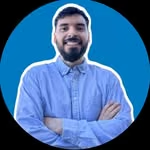
About Daniel Byelich
Daniel Byelich is a Philadelphia-born producer, artist and former A&R whose credits include a record with Snoop Dogg and Dr. Dre. His journey into music showcases the evolution of a passionate producer: starting young, Daniel dove into the music scene in high school, forming a DIY record label at just sixteen.
In this episode of Producer Talk, Esteban sits down with Daniel to talk about building a career by wearing every hat in the industry.
Early Beginnings
Daniel's love for music was evident from a young age. "I started playing music when I was a kid," he recalls. By signing his friends' punk rock bands to his label, he took on the responsibility of managing and promoting shows, a role he embraced fully. This early experience laid the groundwork for his future in music production.
Transition to Production
His transition to music production began in high school when he discovered a program that taught beat-making. "I learned how to make beats on a program called Cakewalk," Daniel explains. This was the spark that ignited his passion for producing hip-hop beats, leading to an exploration of different software, including GarageBand and Reason. He later studied audio engineering and then music business at Berklee College of Music, where a good portion of the curriculum covered copyright.
Influences and Style
Daniel's style is rooted in West Coast hip-hop, influenced by iconic artists and producers. "It's very much rooted in Death Row Records, G Funk...with a modern twist," he mentions, citing inspirations like DJ Mustard and Nipsey Hussle. Reflecting on his growth, he acknowledges the journey every producer undergoes in discovering their unique sound.
The Business Side
Despite his early interest in making music, selling beats became a later venture for Daniel. "I just wanted to make records," he admits. It wasn't until he stumbled upon BeatStars that he understood the potential of beat leasing. Working one-on-one with artists he found through daily Facebook posts and DMs, he got to a point where he was making four to five hundred dollars a day.
Early streaming helped too. Releasing a ton of music on Spotify, he credited a BeatStars producer on a track, and Spotify showed it as that producer's latest release, which brought a wave of streams and led to an album of around 200,000 streams in 2015.
Placements Through Relationships
While interning at a West Hollywood studio, Daniel made a handful of beats in a session that went nowhere for months, until Famous Dex heard one and wanted it. "You get one placement like that and it's just floodgates," he says. His biggest credit, the record with Snoop Dogg and Dr. Dre, came at a time when he hadn't worked in the industry for two and a half years, and another release reached seventeen million live viewers through a Fortnite event.
He emphasizes the importance of relationships in the industry, stating, "this is a relationship-driven industry at the end of the day." Every major opportunity he has had came from a genuine friendship, and today he keeps his whole Rolodex of artists organized in Producer Fury's CRM.
Key Takeaways
- Start Before You're Ready: Daniel was booking shows and signing bands at sixteen, long before he was in the industry.
- Work One-on-One: Reaching out to artists directly through Facebook and DMs earned him up to five hundred dollars a day.
- Learn the Business: Studying copyright and music business made the industry far easier to navigate.
- Relationships Over Sales Tactics: Every major opportunity, Snoop Dogg and Dr. Dre included, came from a genuine friendship.
- Be Patient: Placements can surface months or years after the session, so keep making music.
Conclusion
Daniel's story is a testament to the power of passion and persistence in the music industry. His experiences highlight the importance of building relationships and adapting to the ever-changing landscape of music production.
As you navigate your own journey in music, remember that every step, even the early ones, contributes to your growth. For more insights from Daniel Byelich and to hear his full story, check out the episode!
Frequently Asked Questions
How did Daniel Byelich start selling beats?
He started working one-on-one with artists, posting on Facebook every day to find rappers on his friends list and reaching out to them directly. The BeatStars beat leasing model then showed him how to sell the same beat to several artists.
How did Daniel Byelich get to work with Snoop Dogg and Dr. Dre?
Not through a pitching strategy. He says it came from producing for artists and building genuine relationships over the years, at a time when he hadn't worked in the industry for two and a half years.
Is music school worth it for producers?
For Daniel it was. He studied audio engineering and music business at Berklee College of Music and says every class taught him something, especially around copyright law.
What software did Daniel Byelich start producing with?
He learned to make beats on Cakewalk in high school, then moved on to GarageBand and Reason.
Esteban Candelario (00:01.872) Alright guys, welcome back to Producer Talk. My name is Estimon, your host. And if you're new here, this is the podcast where we sit down with producers to break down what's actually working in today's music business. Producer Talk is presented by Producer Fury, the number one CRM for producers. Today I'm joined by Daniel Bylich. I hope I'm pr pronouncing your la your last name right, but we're gonna Bylick, gotcha, okay. But we're gonna talk about a lot. So we're gonna talk about a little bit about how he went from becoming a record producer, an artist, becoming an AR.
Daniel Byelich (00:19.704) Bilic, but close enough.
Esteban Candelario (00:30.12) And then navigating major labor deal major label deals and then working with like Snoop Dogg, Dr. Drain, earning those credits in his career as a producer. but then most importantly most importantly, building a career by like wearing literally every hat. He's seen almost every aspect of the industry. So Daniel, bro, welcome to the show. How you doing, man?
Daniel Byelich (00:49.08) Good man, thanks for having me.
Esteban Candelario (00:51.516) Hell yeah. Where are you calling from?
Daniel Byelich (00:53.722) I'm from Philadelphia. Hence the the rocked out in all Phillies gear, man, I gotta represent, you know.
Esteban Candelario (00:55.975) Nice.
Esteban Candelario (00:59.538) Hell yeah. I'm not I'm not too much of like a baseball fan. I don't think I'm into any sports at the moment. But cool man. I think I always like to start off where, you know, where your journey starts right before you got into the music industry. So I guess, you know, what was that time frame? How old are you? And like, you know, where does it go from there?
Daniel Byelich (01:03.842) yeah.
Daniel Byelich (01:18.602) well, I I was in high school, before I got into the music industry. I started really young. I s like I you know, I guess industry I'm using that term loosely. but
I I started playing music when I was a kid. played in a band and started like a my own DA DIY record label, when I was like sixteen. Signing like my friends bands and then like other bands that I was finding on like MySpace in in you know, s neighboring states that I thought were good.
So I I you know, I don't be honest, I don't really remember a life before music. It's always been music for me since I was a kid, you know what I mean?
Esteban Candelario (02:05.522) hear that. Now that's funny. I don't even think we mentioned that last time we talked about you like signing people. So like I guess you were you're already in a mindset before you're in a mindset. You know, you're kind of like creating that path for you for yourself. So I guess talk about that. Like when you say signing, was it how serious was it? And like what exactly were you doing with these bands?
Daniel Byelich (02:14.156) Yeah.
Daniel Byelich (02:22.394) I mean it was very like I don't know, it was like very handshake deal, but like I would say it was it was fairly serious. it started as just like
You know, you know me and my friends were all playing in like punk rock bands, so it was not like there was people rushing to cy you know, book a bunch of sixteen year old kids in punk rock bands for concerts. So I kinda had to like take it upon myself to get us booked for gigs and it kinda started like that. It was just like, you know, getting me and my buddies' bands gigs and then
Esteban Candelario (02:50.683) Yeah.
Daniel Byelich (03:02.74) from there it kinda like I said it evolved into like I'd find other bands on on MySpace and not even like, you know, punk bands, just bands in general and there was you know, there was a even a rapper,
that I found and, you know, eventually that kinda like evolved into, you know, like me and the drummer of my band intentionally signed up for like graphic arts class so we could make merch in our class for our band and for like our other bands that we're we were working with, you know. So, you know, we started pressing up merchandise and like selling at shows and then you know, I guess like eventually like
you know, the the scene was strong enough and and like I guess what we were doing was strong enough to the point where like it started getting around and we started getting bigger shows in the city and then out of state shows and stuff like that. So yeah, i it started as something that was kinda just like trying to get gigs booked and then eventually turned into something I guess more serious from there.
Esteban Candelario (04:03.868) Damn, that's crazy. I don't I don't think I was doing anything remotely close when I was sixteen. I felt like I was just too immature to even like grasp that concept. But like I find it interesting. You go from being a sixteen year old, like starting a band and then kind of like, you know, managing other bands almost. I don't know if that's right word. And then so how do you how do you go from doing that at sixteen to then becoming a producer?
Daniel Byelich (04:20.216) Sort of, yeah.
Daniel Byelich (04:26.354) well I've always loved hip hop. I've you know, like I I remember, you know, listening to old Doctor Dre albums and Snoop Dogg albums as a kid. and then I actually I don't even remember the name of the the program. It was like some new school program that they were trying that I think only lasted for like a year, but it was essentially like
teaching people and like kids how to make beats essentially. It was like you know, like a a classroom full of like computers and like MIDI controllers. And I learned how to make beats on a program. I'm gonna actually really put an age on myself 'cause the program I don't even think it's around anymore. But I learned how to make beats on a program called Cakewalk. Yeah, like I said, I'm really putting age on myself there. But you know, from there, like
Esteban Candelario (05:06.322) Mm-hmm.
Esteban Candelario (05:10.63) Never heard.
Daniel Byelich (05:17.856) I realized it was something I really enjoyed doing. you know, again, one of those things that kinda started off like me p messing around and like just like playing, you know, like learning I guess like famous riffs or whatever on the MIDI controller and like learning how to like recreate and make covers, on the MIDI controller. And then eventually I started like making beats. I think like I think the first real actual beat I made
was on my buddy's laptop on like garage band or something like that.
And then I had a friend who was like really, really, really into making drum and bass music who had like a pirated copy of like Reason Four or some shit like that. And he gave it to me and that I mean from there that was that was kind of a rap. But like I went so deep down the rabbit hole from there and like, you know, messing with that you know, virtual patch bay and figuring out how everything connects together and how like moving the chords can make stuff sound different and
Esteban Candelario (06:14.748) Daniel Byelich (06:18.99) Yeah. So yeah, yeah, once I fell in that rabbit hole, it was like p opening Pandora's box, it never really closed again, you know.
Esteban Candelario (06:26.968) Hmm. Reasons is funny. I actually use Reasons when I when I produce it. I think it's so funny because it's like a real studio, just like in a doll. Like, you know, like and I feel like people are you either hate it or you love it. And I only use it because it was the first ever doll that I just started using. I just chose the hardest doll for some reason. and then FL Studio came in my life and I'm like, I mean FL Studio is way better. But now I'm I just prefer using Reasons just because at the time I think it was like twenty bucks a month and I was like, fuck it, let me try to.
Daniel Byelich (06:36.588) Yeah, it's crazy.
Yeah.
Daniel Byelich (06:46.423) Yeah.
Esteban Candelario (06:56.744) start producing again. but anyways, r random tangent. But sorry, are you gonna say something? Go ahead.
Daniel Byelich (06:58.252) Yeah. Yeah. No, I was just reminiscing on FL Studio too, like I remember messing around with that when it was like still known as Fruity Loops, but like it was like my brain just couldn't compute it at the time. I was like I have no idea what's happening right now.
Esteban Candelario (07:15.592) What do you use right now? Logic? I've heard really good things about logic. I've just never used it. So and I wanna I wanna make sure so at this time you were what like eighteen or like nineteen or still in high school?
Daniel Byelich (07:17.101) Logic Pro.
Daniel Byelich (07:22.786) Easy.
Daniel Byelich (07:28.372) When I started making beats I was I guess like towards the end of my junior yeah, I guess I really started making beats for real and taking it seriously, like my senior year of high school. And then like I cut my first track, you know, which wasn't really even a like a record, but it was more like a remix. I guess like a couple of months after I graduated.
Esteban Candelario (07:30.513) Yeah
Esteban Candelario (07:42.066) Catch you.
Esteban Candelario (07:51.891) So you go from like being in a punk band to like producing hip hop beats, like is your style still the same and like what what's your style, like, you know? What is it?
Daniel Byelich (07:56.78) Yeah. No, no, not at all. my style now or back then?
Esteban Candelario (08:04.082) Mm. Both. Like what it was what it started off and then what it turned into.
Daniel Byelich (08:06.409) well what it is now is very much like West Coast, you know. It's very much rooted in like Death Row Records, G Funk kinda you know, a little with with a bit of mod modern twist to it too. Like I really like in my stuff too, I guess like you know, DJ Mustard, Nipsey Hustle, YG, that kind of thing.
Back then I was you know I grew up in Philly, so I was like really, really into like you know group called Jedi Mind Tricks. you know, there was you you familiar with Aesop Rock, you know who Aesop Rock is? Yeah, I was really into really into Aesop Rock at the time. I was really into most deaf, like Black Star was probably like that that album was probably my all-time favorite at the time. Outcast, those kind of things. So it's really influenced.
Esteban Candelario (08:41.03) Yeah. Yeah, when I was like fourteen, fifteen, yeah.
Esteban Candelario (08:51.496) Yeah.
Daniel Byelich (08:56.895) by them. I think I I think I did, but every producer kind of does at first. There's like they kinda take like every bit of their influences and try to like throw it into one, you know, cluster until you find out like what your actual niche is and what you're good at, you know what I mean? So, you know. I don't know how that led eventually to West Coast.
Esteban Candelario (09:01.288) Mm-hmm.
Esteban Candelario (09:18.312) Yeah.
Daniel Byelich (09:18.591) I I I've always liked it and I think it was literally just one of those things where it was like I started making it 'cause I really was always really into the music. And I think it was just one of those things that after a while people are like, Yo, you're really good at this, you should keep doing this You know, and there's you know, not a lot of people that make those kind of beats right now, you know, so Yeah.
Esteban Candelario (09:37.253) Mm-hmm. I feel that. You know what's funny? Like my every time I try to make beats, I try to I try to make like watch the throne type beats because it's like one of my favorite albums of all time. And then somehow they always end up sounding like Tamin Pala beats. So like whatever I have like in my head, it doesn't come out, but I just go with it and then it's like this is a tame and follow beat. Like how'd I go from you know what I mean? but I always find that funny.
Daniel Byelich (09:47.061) Yeah.
Daniel Byelich (09:55.786) Yeah.
Esteban Candelario (09:59.091) So how serious were are you taking it like in in your senior year of high school? Like are you selling beats? Are you 'cause you mentioned like, you know, your first official track then, so like, what are you doing with it?
Daniel Byelich (10:09.061) No, I didn't I didn't get into selling beats until much later. at the time, man, I just wanted to make records. And you know, I'm still very much like that, but that's all I thought the music industry was. And it actually didn't even know about this stuff. Like I knew about SoundClick, I knew it existed. you know, I'd find music on there all the time, but like I had no concept of like people lease beats on this website or anything like that. so I just wanted to make records, which is like I said, like a lot of my really
really early work was like, you know, remixes of all those artists that I just named. you know, I think I probably remixed about like twenty different Outcast songs. and then you know, eventually somewhere down the road I think I stumbled onto Beat Stars on Accident and the the c this concept of beat leasing was bestowed upon me and then it was kind of just off to the races from there, you know what I mean?
Esteban Candelario (11:07.824) Yeah, I feel like if you were like I I think I was way too young at this time, but if you were in the Beatstars boom is what I like to call it, like right when this shit started, it was beautiful. I feel like right now it's just so oversaturated. I don't I don't know if selling like I'm not saying that you can't make a living off leasing beats, but I just think it's so much more different now than it is then. I feel like producers are going more towards one on one, like you know what I'm saying? Now, I personally feel like. Yeah.
Daniel Byelich (11:15.457) Yeah.
Daniel Byelich (11:26.231) Yeah yeah.
Daniel Byelich (11:32.22) yeah. Well yeah y what's funny about that is that's always been my approach, you know. Like I say that I stumbled upon beat stars and it but that's just how I found that the model exists. You know what I mean? Like it was never it was never really my vehicle and you know it's actually I was just talking about this with somebody the other day. it's almost funny to watch
Esteban Candelario (11:46.034) Yeah, I feel you.
Daniel Byelich (11:59.052) You know, it go from the tight beats YouTube era to like this new era of like everybody is moving to working a one-on-one. Cause I've always thought that was the way. I've always thought like there is so much one, more satisfaction, two, you have more control over the record that's being made. you know, and three, like, you know, this is a relationship-driven industry at the end of the day, right? So, when everybody was in that era of YouTube.
Esteban Candelario (12:24.424) Mm-hmm.
Daniel Byelich (12:28.975) YouTube type beats or you know, whatever you want to call it. I was doing the one-on-one. Like my whole strategy, dude. I'd get up like every day and I'd like post something on Facebook, and a lot of times it'd just be something simple, like, yo, who on my friends lip who on my friends list raps? I'm trying to hear something dope. Drop the links, you know what I mean? And then like I would go and DM every single person that dropped a link, you know, and and try to create a conversation. And
Esteban Candelario (12:52.86) Yeah.
Daniel Byelich (12:57.481) It worked. It worked for me really well. I remember there was one point like I quickly went from like not making any music or not excuse me, not making any money off of my music at all to like there was a point I was making like four or five hundred dollars a day just DMing people. You know what I mean? yeah. And I did that for years. You know, I it made up live that was my entire business model for years, honestly.
Esteban Candelario (13:14.801) So
Esteban Candelario (13:23.026) That's insane. So like what's the like so are you saying you can bring in like twelve to fifteen hundred a week at one point in time when you were just going hard? Holy sh okay, I wanna yeah. Holy crap. Okay, so I wanna get I wanna get into it, but I just wanna so were you doing that like right out of high school, like exactly what you're talking about, or like what were the steps you got to when you graduated?
Daniel Byelich (13:29.127) god yeah. god yeah. Sometimes sometimes way more than that dude. Yeah. Yeah, yeah.
Daniel Byelich (13:42.419) No. No. No, no. That wasn't right out of high school. That was d god, what how old was I when Beat starts I so like I was like in my really early twenties when I started doing that. for a long time, dude, it was just I guess honestly, like if I really think back up on it, like it was a long time ago, you know, I'm kinda old now, I'm thirty seven, so
You know, the I think but I think a lot of those years from like when I started making beats to like I guess I I guess I really started like mm you know selling them and trying to make a living out of this around like twenty one, twenty two. So between those time those years, I think it was mostly just spent honing my craft, learning everything I can learn about
Esteban Candelario (14:33.842) Yeah.
Daniel Byelich (14:35.799) producing, you know, not to give a cliche answer or anything, but it was just that's really what it was for me. I just wanted to be like all I cared about for at least the the first three or four years was just being as dope of a producer as I could possibly be, you know what I mean? so yeah.
Esteban Candelario (14:39.516) Facts.
Esteban Candelario (14:50.524) Yeah, and I think that's the issue now is like producers are like they're like the other way around. They're more like like like product driven, like I I need to sell, I need to sell, I need to sell. And it's like, bro, you're gonna have to you're gonna have to take that journey, man. You're gonna have to go four years. You might have to work a part time or full time, or if you really wanna bum it out and just if you're really that focused, not have a job and be okay with knowing that you're not gonna have nothing to your name for the first like sometimes ten years, but I think average like five years if you're consistent, dude.
Daniel Byelich (14:59.24) yeah.
Daniel Byelich (15:04.685) You know.
Esteban Candelario (15:19.173) so then I guess were you working like a job in between eighteen and twenty one or were you just doing this full time?
Daniel Byelich (15:25.559) Yeah, no, no. I w I definitely worked a job. I worked at Wendy's as a manager. Yeah, and actually not just that. I did a lot of job. I worked at Amazon at their warehouse for a few years. You know, I worked at different restaurants. I I actually didn't I would say I didn't quit my day job till I was almost in my thirties, 'til about like twenty seven. yeah. Yeah, yeah, yeah. No, I
Esteban Candelario (15:29.074) Ha ha
Esteban Candelario (15:49.608) Hey, hey.
Daniel Byelich (15:55.563) Yeah, I don't know. It i it kinda took I'll admit, like I it kinda took me a while to figure out how to turn it into a sustainable business because you know, something you just touched on that kinda just got my brain turning and and I think why my path is so different than what it is now that even even from like, you know, a sixteen year old kid that might be watching this that is making super dope beats in his bedroom, that maybe even killing it, selling beats.
The difference between me and that kid, I think, is just the time that I grew up in, you know? again, not to put age on myself, but i the reason I say that is one, the technology and the things that were available to us at the time versus now, but the culture of hip hop was extremely different than it is now. And the reason I think that I personally put so much emphasis on
Esteban Candelario (16:35.72) Mm-hmm.
Daniel Byelich (16:50.26) making sure that nobody was gonna be like your beats are trash, get out of here is because that's exactly what would have happened back then. And there was there was everybody kinda knew that about the culture. Like, you weren't allowed to be whack. If you were remotely whack, you're not getting another chance to get back on this microphone or play your beat or whatever it was. You know what I mean? So I think the barrier of entry was a lot different. which I I you know, I I think it's better now 'cause you know, y you
you there was so much gatekeepy industry stuff back then. It was like to get a to even sell a beat back then it was like you had to get a placement through a record label. but it because of that, it kinda took me a long time to figure the business part out and like how to to transform this into a sustainable business. And it wasn't really until honestly that
Esteban Candelario (17:23.452) Yeah.
Daniel Byelich (17:45.845) You know, Beat Star the Beat Stars Boom hit the the the the beat leasing model became accepted. Like I was familiar with it before the bi beat stars boom, but it was like kinda like people didn't really understand it, so a lot of people weren't getting into it really. But it was once that hit it's kinda like what made the light bulb go off for me and I'm like, Wait, you mean instead of selling a beat one time and I gotta wait forever for my money, I can sell this beat a hundred times for
Thirty dollars, like what? You know?
Esteban Candelario (18:17.636) Mm-hmm. Yeah. And I mean, I feel like 'cause you were talking about the growth of hip of hip hop. I feel like for any industry, talent has to be sacrificed in order for it to grow. And I feel like that's where it's at. But then again, it's all subjective because like there's some artists that I do not like, but I understand why people like them. I it's like it's like I I I like it, but I just can't listen to it all day. So I understand why they're popular now. You know what I mean? I'm just I'm just I'm almost 30 now. So it's like I realize my taste is growing and it's becoming different.
Daniel Byelich (18:34.624) Yeah.
Esteban Candelario (18:45.772) and that's funny though, but like you just caught a wave. And I think that's a I think that's really important for like anybody, not even just for producers, to understand what's happening and then to un to understand when to join in. I think the best time to join in is when no one is joining joining in. When everybody's doing it, it's just a little bit more difficult to join in. And sometimes that's a sign not to join in when everyone's doing it. and right now, bro, shit's so oversaturated. Like it was a lot easier to send DMs because artists weren't expecting that.
Now artists get too many DMs, they get too many emails. Yeah. So even though it's saturated, you just have to do something that's gonna help you stand out even more. You know what I'm saying? But before we even get into that, like based on where you were at at that point of life, like you're DMing people and then you're figuring out leasing and beat stars, were did you get like did you try to jump right into the industry? Did you go to school or did like or you just letting everything flow naturally? Like what was that like from then?
Daniel Byelich (19:16.456) Yes, yes, yes.
Daniel Byelich (19:42.069) eventually I went to school. i eventually I decided like there was like a lot of that I wanted to accomplish. And it I don't know, it's interesting. Like I I had I I I feel like a lot of people can probably relate to this. Like you know, like I mentioned when I started making beats I wanted to make records, but I didn't have anybody to rap on my record, so I learned how to rap and then like I was like, Okay, well
Now I don't have anybody to record me so I need to learn how to record. And then it was like, Okay, well these recordings sound like crap, so now I need to figure out how to engineer and then when I got to that point I was like I should probably go to school and learn how to do this for real. But I you know, it's it is a definitely many, many years of weighing it, I won't lie to you.
I obviously I think that once you figure out how this industry works and how relationships are made in the industry, things become a lot easier. You know what I mean? 'Cause like even even when I you know, like I say, I I things click for me when the beat leasing model really started taking off, but it really had nothing to do with that, you know. It really was just like all that did was set a light bulb off in my head, like, this this can be
Esteban Candelario (20:40.88) Mm-hmm.
Daniel Byelich (20:59.626) turned into a business, you know what I mean? So eventually I went to school. I went to Berkeley College of Music. started with getting a certification or s a certification in audio engineering and then went back some years a couple of years later for music business to l you know, really understand how the industry works and then I went back again for songwriting. So yeah. Yeah.
Esteban Candelario (21:02.194) Mm-hmm.
Esteban Candelario (21:12.954) Yeah.
Esteban Candelario (21:23.93) Nice. and of course I'm gonna ask, was any of that worth it? Was there or is there something you think like, Okay, I could have just did this myself or was all of it worth it as far as the school?
Daniel Byelich (21:29.632) Yeah, yeah. no, I think all of it was worth it. I think there's all I think in every class I learned something that I wouldn't have learned otherwise for sure. Especially with the music business stuff. Like there's so much I learned about like how copyright laws work and you know, a good cur portion of that curriculum actually was around copyright. So
Esteban Candelario (21:45.8) Mm-hmm.
Daniel Byelich (21:56.182) That's really important to know, especially if you're a producer and you're sampling, you know.
Esteban Candelario (22:01.52) thousand percent and I I think I mean most people not even just like producers but artists too like they just lack the business side of things you know and like honestly the business gets so complicated that like that's why lawyers are are that's why they exist, you know, even though sometimes they make shit more complicated. But if you're the right person and you know whatever the situation is they might make life easier. So I think it's always important to like have that information for yourself. I think it's better to know at least the fundamentals without a lawyer but if you know if you have both it's like it's even better.
Daniel Byelich (22:02.688) Yeah.
Daniel Byelich (22:24.896) Yeah.
Esteban Candelario (22:30.92) You know what I'm saying? so then talk about Yeah, yeah, exactly. And I think that's the most important part. So then talk about, you know, after you you know, get all this knowledge, you go to school, where are you at in your life at this moment? Is your foot in the industry? Are you dabbling? Like what's going on for you?
Daniel Byelich (22:33.183) Well the more you understand, huh?
Daniel Byelich (22:48.745) No, very much still like my I I I had like a trajectory of like many, many years of kind of just releasing music into the void, you know what I mean? I I guess if I were to put like I'm really trying to think of when things turn for d I actually i around twenty fifteen, right?
Around Spotify when when we started transitioning into to streaming model is like that's when I started getting some traction. I was just releasing a t I ton of music on Spotify. Like I it was kind of blindly like I would record a song, mix it down real quick that day and then like drop it like immediately. You know, like I wouldn't even put a release date on, just be like as soon as possible. and I was doing that a lot.
And then eventually, like, you know, 'cause of how the algorithms work, people started listening and it kinda went from there. I i e i I it wasn't again, even after then, I I guess I really didn't wasn't really even making that much money off of it.
Which kinda goes back to what you said about like this really can take a long time because, you know, these are all years of like, you know, twenty one through twenty four and like I said, I didn't quit my job and start doing this full time until like twenty seven, twenty eight years old, you know, so
Esteban Candelario (24:16.124) Yeah. And honestly twenty seven I'm twenty eight right now, but like people for the people watching this, if you're eighteen, nineteen, I'm telling you twenty seven, twenty eight is like the perfect time for shit to like work out for you. It's like you're like not old, but like your brain is developed enough, you know what I mean? So it's like you're not 30, but you just didn't do enough shit where you like, okay, I c I know what to do from here. okay. So then then talk about Spotify. I don't even think our in our private conversation we talked about that. Did you like build an audience and then a following and did that translate to social media or like what was that like?
Daniel Byelich (24:34.495) Yeah.
Daniel Byelich (24:45.225) Nah, you what's funny about that? So this is this kinda goes back to to the beep selling thing, but this time in in in the reverse, right? So
Around that time Hobson was popping, like huge, you know what I mean? and they had the whole funk volume label and they actually had a beat store. where like there was beats from like Cato, Hobson, like all these other people. so I you know, I was like working on some some rap stuff and like I bought a bunch of these beats and you know, obviously naturally in in the licensing agreement it said that I had to credit the producers, you know, I had to give them their proper credit. back
Back then on Spotify when you would credit the producer it would show up on the producer's Spotify page as their latest release. So I dropped a song that was
Like literally a Beat Stars beat made by Hobson. And because I was just following the contract, Spotify put that out at Hobson's latest release when he was super poppin', you know what I mean? So I got all these streams from it and stuff like that. And that it yeah, so that is when things kinda started snowballing because, you know
Esteban Candelario (25:55.272) Crazy.
Daniel Byelich (26:03.719) A lot of the people that were listening to the those songs that were getting shown on his page actually really liked the music that I was putting out. and
Then after I did that I I dropped an album because that was working so I ended up just buying like a whole album's worth of beats from them and I d made a whole like a whole album out of it. And then that did pretty well. Like that got something like a hundred and I think somewhere around like a hundred and eighty thousand, two hundred thousand streams in twenty fifteen, like when Spotify first came out, you know, which was like a huge deal back then.
Esteban Candelario (26:37.17) Yeah.
Daniel Byelich (26:41.149) And then right after that, I think like three months later I dropped like a beat tape kinda just to show everybody like, hey, I also make beats, you know. and I think that's when it started becoming a business. I mean there was a few more years in between that, ca and and and it becoming like this is now my full time job because I got a placement.
Which we can of course talk about a few years after that. but that is really where it started for me.
Esteban Candelario (27:12.712) Nice. Okay, then I would like to like, you know, go from there then into the placement. So obviously I think I think when you do something long enough, accidents happen. But I don't I I don't like saying the word accident. I don't like saying the word luck. It's kind of like you throw a thousand pitches and then one's gonna strike. You know what I'm saying? And that's kind of what it is for like, you know, producers. Eventually if you do it long enough, you strike the match enough, like a fire is gonna light, you know? So
Daniel Byelich (27:18.335) Yeah, yeah, yeah.
Daniel Byelich (27:37.512) A hundred percent.
Esteban Candelario (27:39.226) After you got that little success from, you know, from Spotify at a really, really early time, what were what led up to like the placement? Like how did you get it? You know, was it intentional? Was it non accident? Like what was that like for you?
Daniel Byelich (27:51.444) It was definitely intentional. when I started getting like my first taste of success doing music, I quickly became like, you know, J. Cole standing outside of Jay Z recording studio trying to shove his demo in his face. Like really, really quick. so I was, you know, every opportunity that would come up, I was I was doing it. you know, and
Esteban Candelario (28:05.56) Mm-hmm. Grinding. Mm-hmm.
Daniel Byelich (28:20.051) You know, one came up in particular where there was a recording studio outside of West Hollywood. I was living in San Diego at the time, and there was a recording studio in West Hollywood that had done, you know, work with people like Snoop Dogg, a bunch of names. I I can't remember everybody. I think they recorded you know, a bunch of stuff for Sean Kingston, whatever, whatever. anyway, they were looking for interns. And
I I I don't remember where I saw the post, but I saw the post and I think I had at the time literally like forty or fifty dollars to my name and I booked the cheapest Greyhound ticket that I could find and I got my ass up to West Hollywood and I met with the guys at the studio and played them my beats and they like, Yeah, your your beats are dope. you know, you can definitely come here to work with us. and
You know, I started grinding on that really hard. and not too much happened with that and then
I while I was actually in town, I was in LA at the time, and I just saw this random Instagram story from ASAP Ty Beats who was ASAP Rocky's like really early on producer. and he's like, I'm in LA trying to work with people was good and I just like instantly just started blowing up his DMs, you know. Like literally thinking too, like, ain't no way this dude's gonna respond to me, ain't he gonna see these messages, but you know, I'm gonna shoot my shot anyway. And he actually did. He saw them within like five minutes of him.
Esteban Candelario (29:35.655) Yeah.
Daniel Byelich (29:55.003) Me back and he's You got a studio? I was like, Yep. Gave him the address. He pulled up. we ended up doing a session where we made like five or six beats that session, and then nothing came from that. for several months, I think like four and a half months went by and just didn't hear anything at all. And then later, I got hit up
By the guy that owned the studio that I was interning for and he hits me up, he's like, Yo, so you remember all those beats you made with ASAP type beats? I was like, Yeah And he's like, Well, I got famous decks in the studio right now and he's flipping the fuck out about one of Excuse my French, I don't know if we can curse on this or not, but he's like he's flipping the fuck out about one of I need you at the studio right now 'cause I need you to clear it. Like he straight up w told me he wants it right now, but he won't rap on it unless you're here giving him the okay. So
Esteban Candelario (30:36.516) I agree, you can cuss. Yeah.
Daniel Byelich (30:49.872) I did. I got got over there and I mean the rest was history. I ended up doing two songs with famous decks that night. one of them being a song he released called Don't Trip, which I think got like just under a million views on YouTube, but like ninety-eight percent of those views came in like the first week, which was nuts. I remember Double XL posted it and all this stuff.
And then after that happened, man, it was like, you know, as you hear with a lot of producers sometimes I'm sure, it's like, you know, you get one placement like that and it's just floodgates just burst open, you know, and then it was just one after another and it's kinda been like that now for the last ten years.
Esteban Candelario (31:34.28) Crazy. That's a famous Dex is the last thing I actually would have expected. And d does ASAP type still produce? I haven't heard him since like twenty fifteen, twenty it's been a minute, dude. shit, really? I didn't know I didn't know that. Yeah. Yeah.
Daniel Byelich (31:42.792) He went to prisons he went to prison sometime after that. I don't know if he's still in prison, but yeah, no, he he went to prison s a few months after that actually.
Esteban Candelario (31:53.361) I didn't know he was in the streets like that. That's crazy. But okay, so this must have been like 2016 era if famous decks was like popping. so when you go from that, I mean, which is like I think it's funny because you spend all these years grinding to like 27, 28, and I think like success, it like it happens in leaps and like and huge bounds, you know? And like it's like the little wins, little wins stack, and then boom, right? And I think that's what like a lot of people get confused, especially like the my generation and and gener and generation alpha. It's like
Daniel Byelich (32:00.053) Yeah, yeah.
Daniel Byelich (32:14.376) Yeah. Yeah.
Esteban Candelario (32:20.284) They just wanna see it. Like you know what I'm saying? 'Cause they literally they visually see it, even if it isn't real on like social media and stuff. So they have like a microwave mentality, like, I need it now, fast, fast.
Daniel Byelich (32:26.632) Yes. Dude. And I'll drop some real gems on you guys for this 'cause I'd I'd love to follow up on that. my biggest credit in my entire career, like the biggest thing I've ever done. And and I I don't you know, I guess you could debate about which one of those credits is it for me, but for me it's it's the record with Snoop Dogg and Dr. Dre. one, because of what those guys mean to me, and two, the v I mean Go Crazy went ten times platinum, but
We released another part of me through Fortnite, like a Fortnite event, like seventeen million people watched that live. You know what I mean? So that's that's a number like most people's brains can't even wrap you you can't even wrap your head around that. You know what I mean? but the reason I bring that up to add on to what you just said, that came at a time where, dude, I hadn't worked in like I don't know, like
Esteban Candelario (33:05.8) That's crazy.
Daniel Byelich (33:23.188) Couple of years, two and a half, three years, cause one, COVID had just happened, and then two, it was just like I don't it was just I I don't know. I was like in this weird phase, dude, where like things kinda just weren't happening, people weren't calling. I think it was just a part of a lot of people trying to get back into the swing of things from COVID. But you know, I was managing an artist that I really believed in who ended up working with Snoop and then
d just I'm not even kidding you. One day, you know, the out of the blue I get a call and it's this opportunity to not only work on the first Snoop Dogg and Dr. Dre album in thirty years, but also to collaborate with one of the biggest video game IPs on earth. And then they were like, by the way, like you have three days' notice. We need you out here in LA like tomorrow. You know what I mean?
But I hadn't worked in like two and a half years, you know what I mean? not with anything industry stuff. I mean, I was still doing this beat stuff and it's not like I wasn't making music, but when you're talking about terms of industry, like being employed by the industry or in the industry, it had been a couple of years, but then comes this opportunity where it's like, I don't even know if I'll ever topped that 'cause it was such a big deal. You know what I mean?
Esteban Candelario (34:44.604) Mm-hmm. No, that's crazy. Especially I don't know what year that was, but I'm assuming that's when like Fortnite was at its like peak, especially if like, you know, people are doing collaborations with it. this was? Okay. I mean still, seventeen million people is like insane. but you said you you were you managed one of your one of your friends, like what even made you like decide to manage him? Like you know what I'm saying?
Daniel Byelich (34:51.784) This was recent. this was recent. Twenty twenty four.
Daniel Byelich (34:58.984) Yeah.
Daniel Byelich (35:07.242) it was actually a guy he go he's a artist from San Bernardino. He goes by Doggy Style. Shout out to those of you know who know who he is 'cause he's he's popping right now. Yeah, I found him on YouTube, like completely on accident. I just kinda stumbled on him on YouTube and thought he was insanely dope. Thought he was making music that I haven't heard people make in a really long time.
And I was in a position where I was already working with one of my financial partners. 'cause you know, I do a lot of s you know, A and R stuff too. So, one of the companies I work with that handles a lot of the recording advances for the artists that I work with and artists that I sign, I was already working with them so I hit up and I was like, yo, straight up, like I'm not even gonna waste any time. I think you're dope as hell and I wanna sign you.
So, you know, we ended up talking extensively and we ended up doing a deal. I signed him to a like two year or two no, it was a two album deal to like an independent label that I've had for a while. We've talked a bit about that. I I'm still doing stuff like that.
And it kinda just got to a point where like we were working together so much and he has like all these things going on, but he didn't have a team around him. Like he the people that were around him were doing the best to to their abilities, but it was like his like really, really close friends that he grew up around, you know what I mean? And like while they were absolutely killing it with the resources that they had, it was just like they weren't industry people, you know? So,
It kinda was just like one of those things where it was like I was kind of already managing him without the official title anyway, and we kinda were just talking one day and we're like, Let's just make it official. You know, you knew you need somebody you can officially call your manager and revert your business to. Just I'm already handling it anyway. Send it to me, you know.
Esteban Candelario (37:11.856) Yeah. and I feel like we skipped over a major thing, but you mentioned being an A and R. Like how do you even become an A and R? Like, where does that start? Okay.
Daniel Byelich (37:21.012) That was completely on accident. It was completely on accident. that just dude, that just came from like that really came from producing and making a lot of relationships with artists and like 'cause I just told you about like my method's always just been building relationships, you know, and like even even you know, it's not always about the sale, which I think a lot of people should know because like the relationships that you make can provide opportunities that come years later as such as I'm talking about right now.
A and R happened completely on accident because I, you know, built up a body of work through releasing my own music that eventually somebody saw enough value in to offer to buy it from me. And I didn't end up selling all of it, but I sold like twenty five percent of my master royalties so I could afford to put myself on tour.
Which is exactly what I did. And but through that process I learned a so much about like, you know, first of all, that you know, what that even looks like in terms of like acquiring masters and the rights behind them and creator rights and blah blah blah blah. and it was kinda like one of those things where it started as like, hey, by the way, if you know have any friends that also want to do this, send our way. which I started doing and
You know, they pay me a finder's fee for it, whatever. but just I guess like curiosity really just got to the best of me and I just kept learning as much about that as I could. and then eventually it was like those same guys that
I was referring to these people would come to me and be like, Hey, look this over and compare it to what you did or like what you've learned about this. So I was like kind of getting interjected in a lot of like my friends deals anyways. You know what I mean? Whether it was like they were selling a piece of their their masters or they were getting it in advance or, you know, whatever it was. I would just like and that plus obviously my education through Berkeley, I just th I just knew about this stuff.
Daniel Byelich (39:22.778) So eventually, you know, as word travels, it just I guess word traveled. and then I I partnered with a company called Beatbread, who is one of my financial partners that I mentioned, and you know, then it was like, well, you know, Dan's got access to money, so if you wanna give some money, like hit him up. And then that I don't know. I I don't know how exactly it did, but eventually it it started traveling up to executives and
y then record labels wanted me to do the same thing and then eventually it was just like again, just like managing my friend, it was like I was doing the job without the title and not even realizing I was doing it until another A and R at a record label pointed it out to me and was like, You're an A and R. You're doing A and R work. This is what we do. You're just not at the record label doing it. You're doing it for the artist, you know? So
Esteban Candelario (40:14.606) Mm-hmm. You just low key drop like a gem that like most people don't know, but beetbread. Well, just explain what beetbread is and what it does.
Daniel Byelich (40:23.005) Beatbread is a basically what I liken them to is basically sorta like a venture capitalist for music. They i they when you sign to a record label, as everybody knows, you are getting an advance for your music. It is an advance, they are not buying you anything from you, they are advancing let me say that again, they are advancing the money to you, which is alone.
It's usually a loan with a one hundred percent interest rate. And then the record labels also own everything not only everything that you release under them while you're with them, but everything that you released before they even got involved. Beatbread only provides the money. They they they provide basically they look at what you're making on your on your royalties right now.
It's it's somewhere between for for master royalties, it's we look at the last six months for publishing, we look at several years because publishing re reports far less often, basically. and then we we determine how much like so it's like let's say, you know, Esteban sends me his
his royalty reports and it's like he made five grand over the last six months or whatever and we think that, you know, there's an opportunity for some serious growth and we think when the year is over, he he might, you know, make somewhere around the ballpark of like seventy, eighty thousand dollars or whatever.
where we will offer that money up front basically. We'll we'll we'll give you and sometimes it's multiple years. It it actually depends on on what the whatever the artist picks, but we'll give a lump sum up front just
Daniel Byelich (42:08.241) like a record label would give in advance, but you keep your ownership, you keep your masters, they don't touch your touring and your merchandising and all of that stuff. and and when the term is over, everything goes back to you, you know? So that's what I said. Like they also let the artist tell
us what the terms are. Like we don't tell them. They give a bunch of options and it's like this is what we can do for these terms. Tell us what you're comfortable with. If you don't like any of these terms and no hard feelings, you know I mean? but that's what beetbread is. And I got involved in them because that is particularly interesting to me because I have signed a lot of really, really bad deals just to get in advance. You know what I mean? so that's that's who they are in a nutshell.
Esteban Candelario (42:56.966) Yeah. no, Beat Breads is sick and like I think I think it's like I think it's better than a music label. If you have good marketing, then like Beat Breads like the only way. Even if you're a producer, like you can you can still do it, which I find like the most interesting thing. This is but damn bro, so I mean we're doing a lot of shit, right? We go from like producing and then wanting to learn, going to college, and then you know what I'm saying, becoming an A and R, getting into a record label. Then I think you landed your first placement before or after, I don't remember.
Then finally like we become before, then we become a manager for an artist that gets a major placement on Fortnite with Doctor Dre and with Snoop Dogg. So I wanna I wanna like just preference this. When you reached out to Ty Lilil Beats, do you remember how many followers you had?
Esteban Candelario (43:52.36) Hold so please double your mic.
Esteban Candelario (43:56.562) Barely, barely for some reason.
Daniel Byelich (43:57.725) Yo, yo.
Esteban Candelario (44:00.905) Can you try to turn the interface up real quick?
Esteban Candelario (44:08.828) Or maybe it's the connection with the cable. I can hear it when you're up close, but when you're afar I can't hear it.
Daniel Byelich (44:09.81) Yeah.
Daniel Byelich (44:14.451) Yo.
Esteban Candelario (44:16.71) Yeah, but like when you when you're afar I really cannot hear
Esteban Candelario (44:30.824) Still the same.
Esteban Candelario (44:37.864) I just hear more like noise in the room.
Esteban Candelario (44:54.781) No.
Just like background noise.
Daniel Byelich (44:58.131) Turn it I I it I t my air conditioner switched on and apparently that is now disrupting
Esteban Candelario (45:02.172) Hmm.
Esteban Candelario (45:13.461) Let me see.
Daniel Byelich (45:14.525) Yo. Yo.
Esteban Candelario (45:17.22) Mm, kinda ish, kinda ish. Better than before, but just a little little bit low.
Daniel Byelich (45:26.185) Interface is cranked all the way up.
Esteban Candelario (45:29.06) Yeah, and then also I hear a lot of background noise too.
Daniel Byelich (45:32.649) There shouldn't be.
Esteban Candelario (45:52.69) Nah. Something wrong with the cable, I think.
Daniel Byelich (46:15.485) Yo.
Esteban Candelario (46:17.352) I can't it's just staticky now, but I can I can hear you but it's just static in the background for some reason.
Daniel Byelich (46:32.747) Can you hear me?
Esteban Candelario (46:34.14) I can hear you, yeah.
Daniel Byelich (46:35.763) I think that XLR cable literally just fried. I don't know how that happened, because I didn't move it while we were talking. But yeah, when I turn the interface on, it just instant clipping signal.
Esteban Candelario (46:49.768) Okay. You wanna get another cable? You wanna do it like this?
Daniel Byelich (46:51.971) I don't have another cable.
Esteban Candelario (46:56.264) Okay, you're good, we'll do it like this.
Daniel Byelich (46:58.506) Sorry.
Esteban Candelario (46:59.634) No, you're good, you're good.
Daniel Byelich (47:01.279) Check one too. it looks better now. But g please continue.
Esteban Candelario (47:07.868) No, so when when you reached out to Ty Little Beats, how many followers did you have? Under a thousand, over a thousand, under ten thousand?
Daniel Byelich (47:14.694) well under a thousand, dude. Like I think I had like thirty.
Esteban Candelario (47:19.73) Okay. So you had okay, that's good. So you had fucking thirty followers and then let transitioning to right after the Fortnite event, how many followers did you have?
Daniel Byelich (47:29.516) now I have like thirty five thousand.
Esteban Candelario (47:32.06) That's crazy. So you literally like one thousand X like the amount of followers you had. Like obviously the growth wasn't thirty to thirty thousand. It like, you know, minute steps and stuff like that. So what happens when you build a reputation and a following? Like how does that change things for you when you reach out to artists?
Daniel Byelich (47:50.809) God, that's really that's kinda hard to answer because they I feel like a lot of things are happening at once. you know, I I've I've legitimately talked about this actually in the producer the Fury Discord. I definitely think that having the
credits that I have and the certifications I have and the experience I have gif gives me a massive advantage. I'm fully cognizant of that. I think artists are way more likely to have a conversation with me, than if I didn't. And actually I can tell the difference 'cause of again, like, I spent years direct messaging cold DMing people and like a cig e you know, I I'm sitting there talking about like
Esteban Candelario (48:32.284) Yeah.
Daniel Byelich (48:36.828) there's a point I was making five hundred dollars a day, but yet dude, like ninety-eight percent of the people I DM'd left me on red. You know what I mean? now I would say ninety-eight percent of the people that I messaged to, I usually get a response. not all of them go anywhere, I'd actually say most of them don't, but most people respond to me. It's a completely different
Esteban Candelario (48:44.666) Uh-huh.
Daniel Byelich (49:02.458) experience there, but there's also like on the flip side of that, like literally everything I do and everything I say is put under like the most intense microscope possible. Like everything. I have to be very, very careful about like how I carry myself, how I treat people, how I conduct business, like, you know, they they you they say famously it takes years to build a reputation and seconds to destroy one. So
Esteban Candelario (49:30.908) Mm. Facts.
Daniel Byelich (49:31.258) that's something I always had to carry around with me as well. Yeah.
Esteban Candelario (49:35.336) So, I mean, talk about the system you had before you even like built this reputation and this following. You were saying like making $500 a day. How much of that was was coming from like the co-DMs when you had like little to no followers? Okay. So then like talk about the approach, like what it what are you saying when you slide into the DMs and then how are you progressing it? Are you doing it all in one day or building that relationship over time? Like what does that look like?
Daniel Byelich (49:47.346) All of it. All of it.
Daniel Byelich (50:00.657) a little bit of both. I'm I'm a persistent motherfucker, dude. You know what I mean? so I I would start with genuinely showing interest in people's music. Like I and I still do that. I think it always started with that and I think it ends with that as well. Like if I can't get genuinely excited about somebody's music, it's going to show in my delivery.
And I think this applies for everybody, not just myself, but I especially have a really hard time with being fake about things. so if I think somebody's trash, like I'm kind of honest about it. so I would intentionally put energy into people who I genuinely thought was dope and somebody that I got excited about the prospect of doing music with, like somebody who I really genuinely thought
Esteban Candelario (50:38.237) Uh-huh.
Daniel Byelich (51:00.296) not only my production could add value to what they were doing, but vice versa. so I would spend time talking to them about their music and their direction. And I think it kinda always starts with that with me. Like even in my day to day still when I work with new artists, before I even get into a sales pitch or talk about any ideas or anything that I think would be dope for the project, I really try to understand them as an artist, their vision for their project and
and and just like really what their goals as a musician is and I've always done that and my approach was always that. So I always kinda like I guess like sort of I was like a doctor about it, you know, like I would ask a bunch of questions and then I would come up with a diagnosis of what I think you know can can solve certain pain points and you know a lot of times it would be simply just, you know
Sometimes it would be like I just want a producer that I can build with. sometimes it would be like, you know, I also need mixing and mastering so then I would offer those services as well. but it always really just it it came down to like understanding people and and really understanding their music and what they're about and making people really genuinely feel heard and seen. I actually
And when work with people, like I I have them all review me on Sound Better, just 'cause I think it's a good thing to do. And and one of the most common things that is said in those reviews is that I make people feel like they're hard and really understood because I spend so much energy into understanding their music. Like I'm ridiculous about it, dude. Like I I get into nerd mode, like
Somebody will send me a song of theirs when I'm considering working with them and I will fire off literally like fifty questions about that record.
Esteban Candelario (52:57.864) What what's what did you call it? Sound better? What's that?
Daniel Byelich (53:01.851) Sound better is it's a website basically like f it's it's I guess the concept of it is like Fiverr for music professionals, but like I don't you know, not like cheap services, so Fiverr's kind of a bad example to use, but it's like that. Spotify owned it at one well they wa they it was like a weird trajectory. Like two guys started it and then they sold to Spotify and then they bought it back from Spotify, so they're like independent again.
But it's like you know, I get a lot of like engineering work from there. So like any time I work with somebody, I just like, Hey, do me a favor and you know, drop me a review on here. One, 'cause it's better for my algorithmic footprint on there and two, it's good for SEO. You know, it's you want people also to feel like they got good work for their money, you know?
Esteban Candelario (53:34.076) Nice.
Esteban Candelario (53:45.127) Yeah.
Esteban Candelario (53:48.968) Trust you. Yeah. I agree. So are you closing people like first call, like or is it like several calls? How's that work?
Daniel Byelich (53:58.38) some sometimes it's first call. Sometimes it's multiple. I don't know. there's you know, there's definitely been times like where there was one time and not too long ago actually where I was like prepared to like do my whole spiel and like ask all my questions, but they were already just were so ready to go. They're like, What's your price? Just tell me your price and I'll pay it. You know?
Esteban Candelario (54:23.218) Yeah.
Daniel Byelich (54:27.911) I guess yeah, now most of the time it's it's usually in the first call. I'm usually pretty confident that if I can get somebody on a call and we can get on the same page, we can make something happen. But that doesn't also happen every single time. For whatever circumstance. Like I've also had situations recently like where me and the artist were one hundred percent on the same page, but me and the artist manager were not at all. You know, so it just depends.
Esteban Candelario (54:39.72) Yeah.
Esteban Candelario (54:53.512) So how did you learn how to sell? Because I feel like producers today they have to be everything, the recording engineer, the engineer, the producer, the A and R, and then now they have to be a salesperson. So like how do you learn how to sell? Was it something you just learned on your own or did you acquire like courses or something like that?
Daniel Byelich (55:12.759) no. No. Like I said, dude, I just talk to people like they're humans, you know? and and I d well, I I eventually like did, you know, event I've I've read a lot of like sales books later on in life and stuff like that. And you know, it's funny 'cause there's this one like there's this one course I bought from Jordan Belfort, like the Wolf of Wall Street, you know what mean? Yeah yeah. I bought this course from him
Esteban Candelario (55:36.389) God, are you serious?
Daniel Byelich (55:42.435) But, you know, regardless of all this shit about him, there is something that he said that I thought was pretty profound. Like when he was talking about a sales method, he's like, you know, talking about how he sees like the biggest mistake that people make is like they'll just jump straight into sales guy. You know, they'll just like you know, he used the that whole like sell me this pen example, like he he started talking about how people just start listing off features and they'll just jump straight to the sale.
Esteban Candelario (55:59.24) Yeah.
Daniel Byelich (56:09.903) as the where he will just like even when he's cold calling people like he'll just be real casual about it and like use an example of like hey is Jim there this is so and so like he doesn't even name a company, you know what mean? So the reason that spoke to me was because that's kind of always been my approach. Like I've never gone into it with like of course the end goal was to hopefully make a sale at the end of it, but it was never like I never jumped in to try to sell people.
Like ever. It was again it was genuine interest in the music, genuine excitement about what they're doing. being actually interested to be a part of that music and finding a common ground to where again we were both confident that like we could do something seriously dope together. that's still my approach now, you know. I've actually said no. There are some people you guys would be jaw dropped.
If I told you I said no to them, because there are people that I have said no to that I didn't even think that I would ever say no to in a million years. Like people that I idolize, but you know, I said no to them simply just because it was like, What the hell am I gonna provide to this? What can I you guys are leaps and bounds above me, what am I gonna contribute to this? You know what mean?
So I I don't know. that's a you know, I yes you have to be a salesperson and you should you learn how d you know, to to sell somebody but at the same time like I'm almost gonna go against that and say like stop trying to do that, you know, like I feel like that's the the biggest mistake producers make, is that they're just so gung ho on like, I gotta sell beats, I wanna sell beats, I gotta make money, I wanna make money.
I'm a firm believer and maybe this is maybe even against a little bit of what you guys teach, but like I I firmly believe that if you are good to the music, everything else kinda falls in line. You know, and that really like that that really applies to when you're trying to find artists to work with. Like what what can you actually contribute to their music? You know what I mean?
Daniel Byelich (58:27.922) Yeah, it's a complicated answer, dude, 'cause it's just like I don't really have a strategy and I don't and I really firmly believe it it really comes down to making genuine relationships. Like every major opportunity I've ever gotten in this business came from a friendship that I made with somebody, you know what I mean?
Esteban Candelario (58:44.56) I think I think if you're in the beginning stage and you really don't have much going for you, selling is gonna be so much more harder, obviously. And actually just hopping on a call and making a custom beat for free actually might be the better option for you, especially if you wanna earn a placement. The moment you start sending loops out and you get lucky and you get a placement or you start working with underground artists one-on-one and making custom beats for them, whether it's like online or you're pulling up to the studio.
Daniel Byelich (58:59.891) Yeah.
Esteban Candelario (59:09.722) I think you should do that for free for as long as you possibly can up until you get to a point where people actually start reaching out to you. Or you get referrals. If you get any of those two, those are signs that like, okay, I can begin charging. And I think and I honestly I'm a hypocrite because I've I've pushed producers to to go for the charge. Like make a make a quick custom beat for cheap, 30 bucks, 50 bucks, whatever it is. But then I I'm starting to realize like so many artists are so jaded to like
Daniel Byelich (59:17.768) Hell yeah. Hell yeah.
Esteban Candelario (59:35.676) producers hitting them up and it's so oversaturated that you have to stand out times a million. And even getting a call, even getting a an artist on a call is fucking hard, you know what I'm saying? So if you do, go all out, make the opportunity the best you possibly can, and then earn from that. And I think that's the most important part, earning from the opportunity before the the money even comes.
Daniel Byelich (59:40.338) Yeah, dude.
Daniel Byelich (59:46.664) Yeah.
Daniel Byelich (59:57.893) I have a homie, shout out to him, shout out to my actually name him, shout out to my my bubble my boy Mike Sears, who is an absolute gangster now. but n you know, when when so he had a weird situation, like as we hear sometimes of like he put up a beat on YouTube, a really famous rapper used it. They didn't really buy a lease, they didn't really credit him or anything like that.
And he came to me about it and he's like, What do I do about this situation? I told him the right way to go about it, make sure he gets his credits, make sure he gets his publishing, blah blah blah. It's actually a lot easier in those situations to get all that than people think. But the th mistake he almost made that almost ruined all of it, was he asked me, he was like, How much should I charge them for the exclusive right to the beat? And I was like, Are you kidding me? You don't. I'm like
This song already has millions and millions and millions of views on it. You get your publishing. If you can get anything retroactively that you haven't collected in royalties yet, then yeah, do that. But just give them the fucking exclusive right, dude. This This is on the way to going platinum. Let it go platinum. Like, just let it happen, you know what I mean? and even without that, like I would still even if they did do it right and come to him first.
And he came to me with like how much money should I charge for this beat? I was like, I would still be like, You don't. This is a huge opportunity. You don't. You know what I mean? and I think what you just said is super real because it's like even if it's not a huge artist and you're still trying to get your name out there, first of all, you don't know who somebody can end up being. You know what I mean? Like you you really don't know. Like I've literally met artists before online.
That ended up becoming massive and I was like, my god, like I remember this person. But it's just like, yeah, like you said, man, sometimes you just gotta do stuff like that. They you know, you hear the term paying your dues a lot for a reason. You know what I mean? And sometimes you just have to do those type of things to get your name out there and to get your brand value up and you know, you really don't know what can lead to a bigger opportunity because you you know
Daniel Byelich (01:02:18.172) You paid your dues and you know, you took a little bit less now so you could gain higher later.
Esteban Candelario (01:02:25.44) No, I agree. And I was thinking of something and I kind of totally forgot because I was just so keen in like on listening to you. But I think that's the biggest mistake. And honestly, I don't blame producers because that's just the culture right now. And I think it's a generational thing too. But also it's a lot of just the culture right now. It's just hustle culture. And then also, you know, people see stuff online and they just assume like, you know, it's easy to jump into and it's not. It's actually way easier to go find an artist with a thousand followers or less.
Daniel Byelich (01:02:48.838) No.
Esteban Candelario (01:02:52.924) And say, hey dude, I want to like just produce for you. Let's like, you know, connect and then AR him and then try to help build him up. And I've seen cases like that. And that's like that's way smarter to do to pour into one artist with a lot of potential who's actually taking himself serious and actually has somewhat of a marketing budget than it is to like just spam a bunch of like you know bigger produ or spit bigger artists like underground artists. but I mean to each his own, bro, like everybody's journey is different. That's just like my two cents. yeah.
Daniel Byelich (01:02:59.196) Yeah.
Daniel Byelich (01:03:15.665) Yeah.
Daniel Byelich (01:03:19.279) Everybody's journey is different. And but what you just said there is basically the roadmap of what I did for my entire career, you know, that and that that's if you could put a nice little bow on everything that I've talked about so far, it's been about more than just offering beats. It's being about it's been about being a part of every facet of the record. You know what I mean? Like w beats is is very much now and has been for a long time a commodity. Producers are not.
Talk to any independent artist out there, you you know, I know you guys probably did a lot of surveys with like different producers and you guys are very much involved in the community. and I guarantee you a lot of producers pr or a lot of artists rather, excuse me, probably say the same thing over and over and over again that they would much rather have a producer that they can build with and have a part of their career than just buy a bunch of beats, you know, on the internet. Yeah.
Esteban Candelario (01:04:13.478) percent. Hell yeah. It's way f it's way fucking easier. so I we talked a little bit about the journey. I just want to talk about one more thing. Of course we can't forget fucking producer fury. how did you land on producer fury and then like, you know, what do you use what are you personally using it for?
Daniel Byelich (01:04:16.945) Yeah.
Daniel Byelich (01:04:29.507) Another random accidental find. watching going down the YouTube rabbit hole, dude. I stay tapped into everything, so I watch everybody and everything they put out and God, I don't remember I wish I could remember the producer so I could shout him out, but
Esteban Candelario (01:04:31.922) Yeah.
Daniel Byelich (01:04:47.085) watching the random producer and he pulled up producer fury and I remember like I wasn't really paying attention that much to the video and I like l got a glimpse in the corner of my eye on the dashboard and I went back and paused. I was like, the fuck is that? so I went and looked it up and immediately fell in love with it 'cause I have ADHD. I'm a very busy dude. so sometimes being organized is insanely difficult for me. which is
The b I really like take advantage of the CRM tools in Producer Fury. Like that is my primary use of it. Like it just helps me stay organized. All of my contacts have now like almost my entire Rolodex of artists have been imported into it. my personal favorite feature is you the the beat pack feature where you can just
Esteban Candelario (01:05:24.978) Mm-hmm.
Daniel Byelich (01:05:42.649) upload your beats and send your beat packs out to your entire contact list instead of having to manually do it, which is a nightmare. So that is a huge thing that it's solved for me. And then honestly I'm using the cold outreach tool too, dude. Like I think that's a super cool, awesome tool. I've actually been talking to the team about some things that I think can really improve it 'cause there's similar tools I use in my A and R work.
And no, I I think it's awesome, dude. I think especially because I have such a specific niche that that tool where like I can type in like you know, I like I said I make Nipsey Hustle type beats, so I'll go in there and I'll type Nipsey Hustle. And every artist that I think, you know, might like what I do, I save them and I reach out to them and you know again, not even not even jumping straight to like, you know, trying to make a sale out of it.
I kinda just compliment them on their music. I actually listen to everybody too. I'd like go through their their page and listen to a few songs and send out a beat pack and if we can make a connection from there, dope. If not, whatever. At least they got a new fan out of it, you know, and I got some new listeners on my beats, so
Esteban Candelario (01:06:55.836) Yeah.
Yeah, I think I think right now, like I think I don't think there's anything else out there like with besides producer fury where you can actually find artists and then also you can save them. And like I know a lot of producers don't know what a CRM is, but it's basically like a Rolodex like a list of contacts that you can save. it's I know a lot of producers use MailChimp and a lot of producers use ConvertKit. The only issue with those, which I'm not like, you know, whatever, they they work, but the only issue is is like it's not like producer centric, obviously. There's like it's limitations and stuff like that.
Daniel Byelich (01:07:12.817) Yeah.
Daniel Byelich (01:07:26.435) It's not and it's well MailChimp's not even producer friendly, I would argue, 'cause I actually got banned from MailChimp for doing exactly what I use producer fury for. I literally was using it to send out beat packs, you know? It's dude like I told I think I mentioned it in the interview. I have an email list of fifty thousand people, you know, so
Esteban Candelario (01:07:27.793) Yeah.
Esteban Candelario (01:07:31.548) Yeah. Same. Same. Yeah.
Esteban Candelario (01:07:46.952) That's fucking insane.
Daniel Byelich (01:07:48.405) I I remember using MailChimp to send out a beat pack to fifty thousand people and they like hit me with a spam warning and then the next hour or two, like I was just banned, you know. So it's not even producer friendly. So no, there's not anything else like that out there 'cause I can do that now with my beat packs and granted I'm not doing it to fifty thousand people on producer fury, but like I don't have to worry about that. I'm not gonna get banned because that is the entire point of the tool, you know what I mean?
Esteban Candelario (01:07:58.62) Suck.
Esteban Candelario (01:08:13.97) Yeah.
Daniel Byelich (01:08:17.831) So it's dope.
Esteban Candelario (01:08:18.088) Yeah. I mean, if you wanted to, I think you definitely could. I think it's like three hundred, four hundred people you can email per email, depending on how many emails you have. So yeah, yeah. So you can make shit happen. If if you're if you're like if you're just like a psychopath, you could definitely do it. and you'd be surprised, bro. A lot of people are, bro, like we have people like using it and they're finding like we have crazy people who DM us and they're like, hey
Daniel Byelich (01:08:25.936) That's crazy. That's crazy. That's sick.
Daniel Byelich (01:08:33.904) Yeah, I didn't even know that. That's sick.
Esteban Candelario (01:08:43.024) Because I know there's a limit. Like you can only find a hundred artists per 24 hours. And I have crazy people DMing me. Like, can you change it to a thousand? Like, no, bro. How are you gonna find a thousand fucking artists? Like, you're gonna run out of people to listen to on Spotify by then, bro. That's fucking crazy. Yeah, exactly. Yeah, exactly. but also, man, it was a really good conversation, man. I know there's gonna be a lot of shit that like other producers who are just trying to get their feet wet, they will learn a lot from this. But I always like to ask.
Daniel Byelich (01:08:55.324) I love that though, dude, that's sick. Grinders, bro. That's awesome. That's sick.
Daniel Byelich (01:09:09.775) Yeah.
Esteban Candelario (01:09:12.338) But before I go, if you could just go back in time, let's say to your sixteen year old self, when you kind of started this, what would you like? Is there anything you would tell yourself that'd be different or anything you would change?
Daniel Byelich (01:09:17.329) No.
Daniel Byelich (01:09:21.691) Yeah.
Yeah, dude. well, a lot to be honest with you. But I think the two most important things is patience, man. I would really, really try to instill the concept of patience into my sixteen year old self. because like, you know, the biggest thing that we talked about was there was a lot of years in between my journey of doing music and then making a living out of it.
Yeah, that also goes back to what I said about maybe not always jumping straight to try to go to a sale and realize that the this industry is relationship driven, your relationships are more valuable in currency than money is. And then also it would be honestly that N you're not gonna be everybody's cup of tea.
Honestly. especially when it comes to the creative side because I feel like I let a lot of that stop me early on in my career and I was kinda just like like I said, it took me a long time to find my niche and I think the the reason it took me so long was because you know, I really I really resisted accepting what my niche was at first 'cause I had this mentality of like, yeah, you but West Coast hip hop's not relevant anymore and
God if I only knew what was around the horizon, first of all, and secondly, like, who cares then be the guy that makes it relevant, you know what I mean? so I think that that would be the biggest thing. One, having patience, and two, knowing when to get out of your own way, you know.
Esteban Candelario (01:10:50.673) Uh-huh.
Esteban Candelario (01:11:00.392) I agree. I agree. That was a perfect little boat to put on this, bro. Awesome. where can they find you? And if you want to plug anything, go ahead.
Daniel Byelich (01:11:01.403) Yeah.
Yeah.
Daniel Byelich (01:11:08.196) yeah, I mean you guys wanna follow me on Instagram, my handle is D Lynch for Real. with one R, same on threads. I'm actually way more active on threads than Instagram. I'm always dropping like, you know, free music business advice, music business news, all kinds of stuff.
Sometimes just the stupid thoughts that I have in my head that people think is funny. so if you guys want to follow me and stay up to date with me there, definitely follow me on Threads 'cause it's my most active platform. Man, I don't know what to promote I mean, I guess, you know, if you guys haven't already checked out the Dr. Dre and Snoop Dogg Missionary album, go check that out 'cause I'm insanely proud of that. And
probably promote that until people get really sick of hearing me promote it, so
Esteban Candelario (01:11:57.64) I did the same, bro. If I got a fucking Snoop Dogg Dr. Dre fucking cosign, like I'm doing it to the fucking day I die.
Daniel Byelich (01:12:05.552) Ye plus I just think it's a dope ass album, you know. So if you haven't heard it yet, go check it out.
Esteban Candelario (01:12:08.818) Fire. Love that bro. Alright bro. love the conversation, bro. It's nice meeting you.
Daniel Byelich (01:12:14.779) Yeah too, man. Thanks.
Esteban Candelario (01:12:16.371) Please.
 Producerfury
Find artists that fit you
Prospects matched to your sound, size, and location.
Turn them into connections
Personalized DMs, follow-ups, and guided outreach.
Keep relationships alive
Automatic packs by email and reminders to reconnect.
Loved by 3497 producers
 TapDaddyBeats1M+ Streams
 Churass MusicMulti-platinum Publisher
 BE-TWIIN Beats50M+ Streams, 1000+ Artists
 Prodbymeadow1K+ Syncs, 15M+ Streams
 Royal808Platinum Producer
 fizzo4911M+ Streams
 LLoke Made3x Billboard Charting
 SIGHOST8M+ BeatStars Plays
 LitKidBeats18M+ YouTube Views
- TapDaddyBeats1M+ Streams
- Churass MusicMulti-platinum Publisher
- BE-TWIIN Beats50M+ Streams, 1000+ Artists
- Prodbymeadow1K+ Syncs, 15M+ Streams
- Royal808Platinum Producer
- fizzo4911M+ Streams
- LLoke Made3x Billboard Charting
- SIGHOST8M+ BeatStars Plays
- LitKidBeats18M+ YouTube Views